
A better ICOS in 2025 – Highlights from NUBICOS project
In 2025, the ICOS-coordinated Horizon Europe project New Users for a Better ICOS (NUBICOS) made great progress in consolidating ICOS for the future.
Below are a few highlights from 2025.
First results from flask sampling comparison at Mace Head
The first results are in from flask sampling comparison carried out in Work Package 4. The results from Mace Head show differences between the National Oceanic and Atmospheric Administration (NOAA) and ICOS flask data, with the explanation being found with help of the continuous measurements.
The flask sampling work in NUBICOS was featured in a recent ExploreICOS video about Mace Head.
- Read more about the flask sampling work at Mace Head: https://www.icos-cp.eu/news-and-events/news/mace-head-european-supersite-international-greenhouse-gas-networks
New Ecosystem parameters at pilot Ecosystem sites
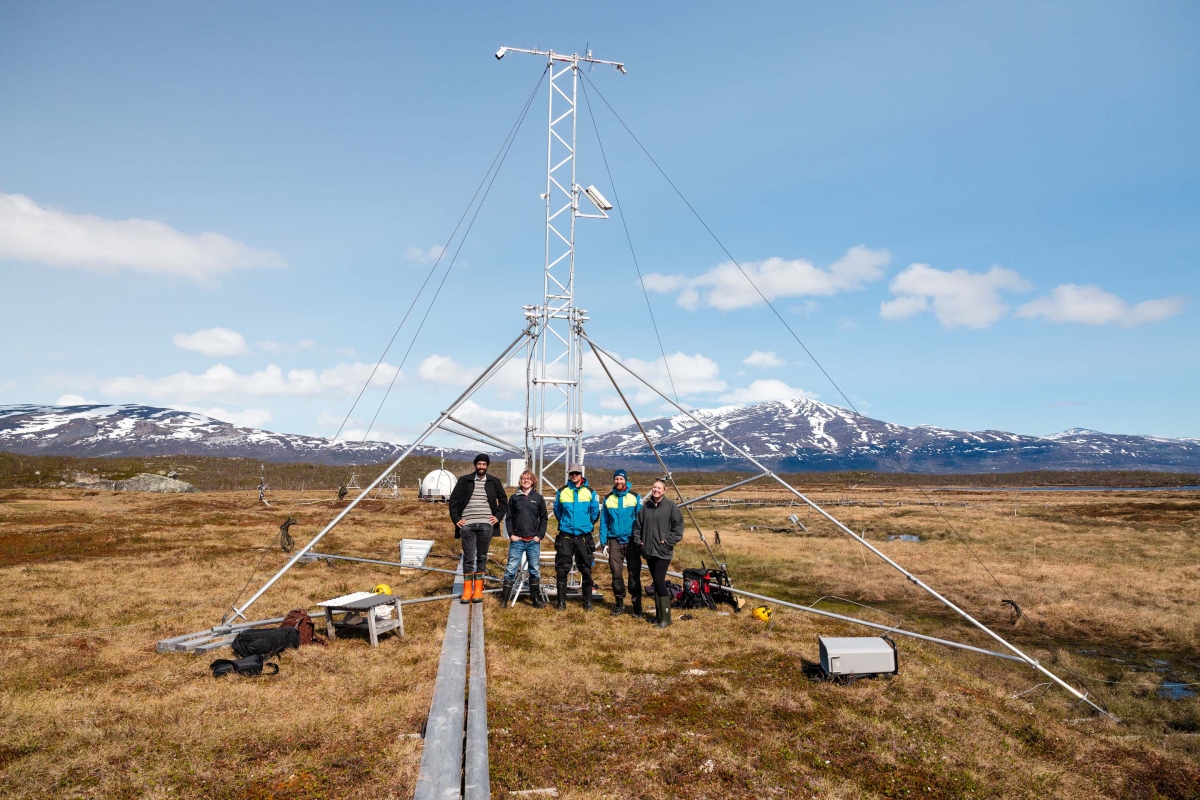
As part of Work Package 1 activities, campaigns for installing sensors used to measure Land-Surface Temperature (LST) and fraction of absorbed photosynthetically active radiation (fAPAR) were successfully carried out.
Both variables are recognised by the Global Climate Observing System (GCOS) as Essential Climate Variables (ECVs), a list of parameters for describing the Earth’s changing climate. These parameters are used by the remote sensing community for calibration and validation (cal/val) of satellite measurements.
These new variables within ICOS were presented at the Living Planet Symposium 2025 and the European Space Agency (ESA) 7th Sentinel-2 Validation Team Meeting by Bert Gielen (ICOS Ecosystem Thematic Centre). The data pipeline for these parameters is also ready.
- Read more about the LST installations here: https://www.icos-cp.eu/news-and-events/news/new-ecosystem-parameter-installations-improved-satellite-data
- Read more about the fAPAR installations here: https://www.icos-cp.eu/news-and-events/news/fapar-enhances-use-icos-data-remote-sensing
Uptake among PIs of QuinCe tool for ocean data
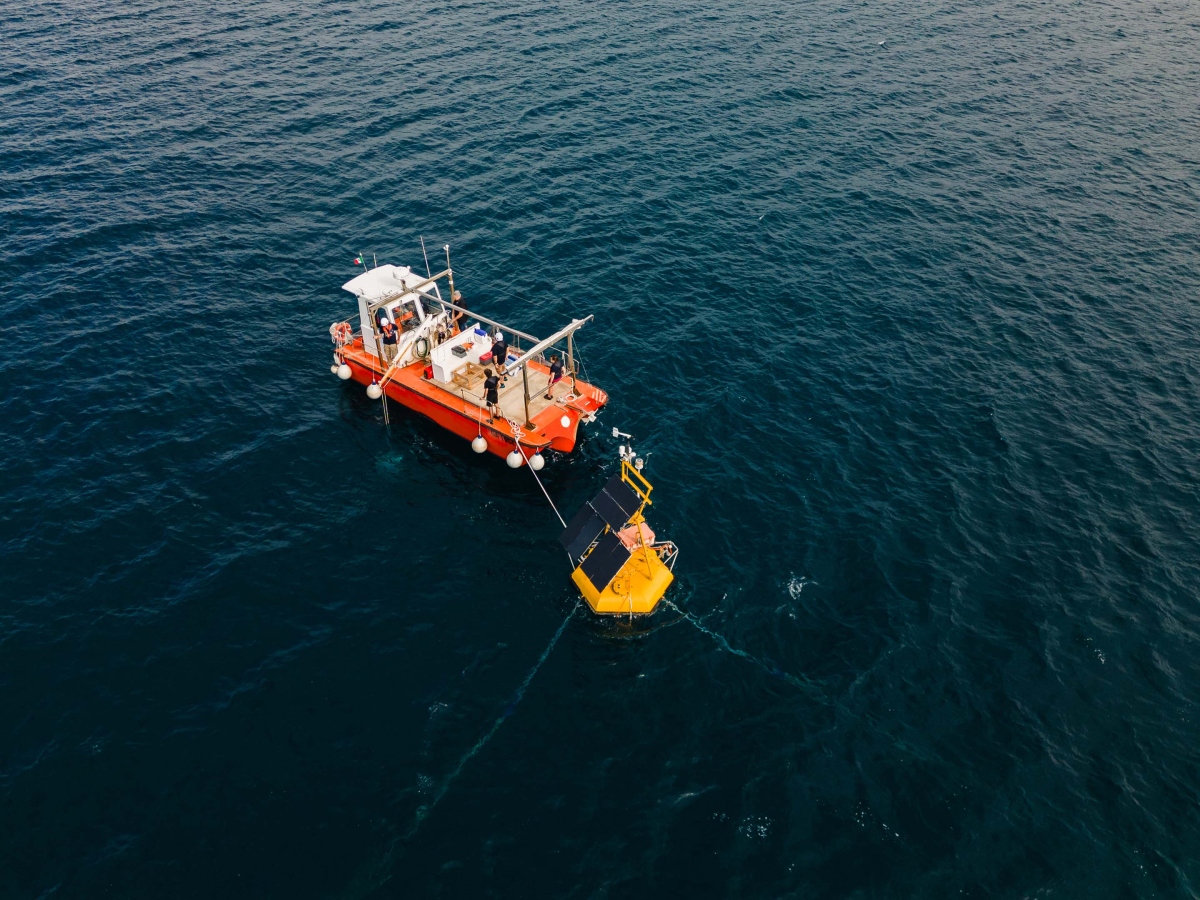
2025 saw the development and release of the ICOS secondary quality control interface and quality assurance routine for QuinCe, a data reduction and quality control software initially developed to take care of observations of partial pressure of CO2 (pCO2) and ancillary data.
Developed as part of Work Package 2 activities, the QuinCe tool been taken up by an increasing number of ICOS Ocean Principal Investigators (PIs). This work has eased delivery of data to ICOS Carbon Portal and other data repositories such as SOCAT, and from there to the Global Carbon Budget. This contributes to improving the value chain from observations to climate services.
- Find out more about the QuinCe tool in the deliverable: https://fileshare.icos-cp.eu/s/yZPdZkdTLEGzDdm?dir=/&editing=false&openfile=true
Successful ICOS Summer School held in Hyytiälä, Finland
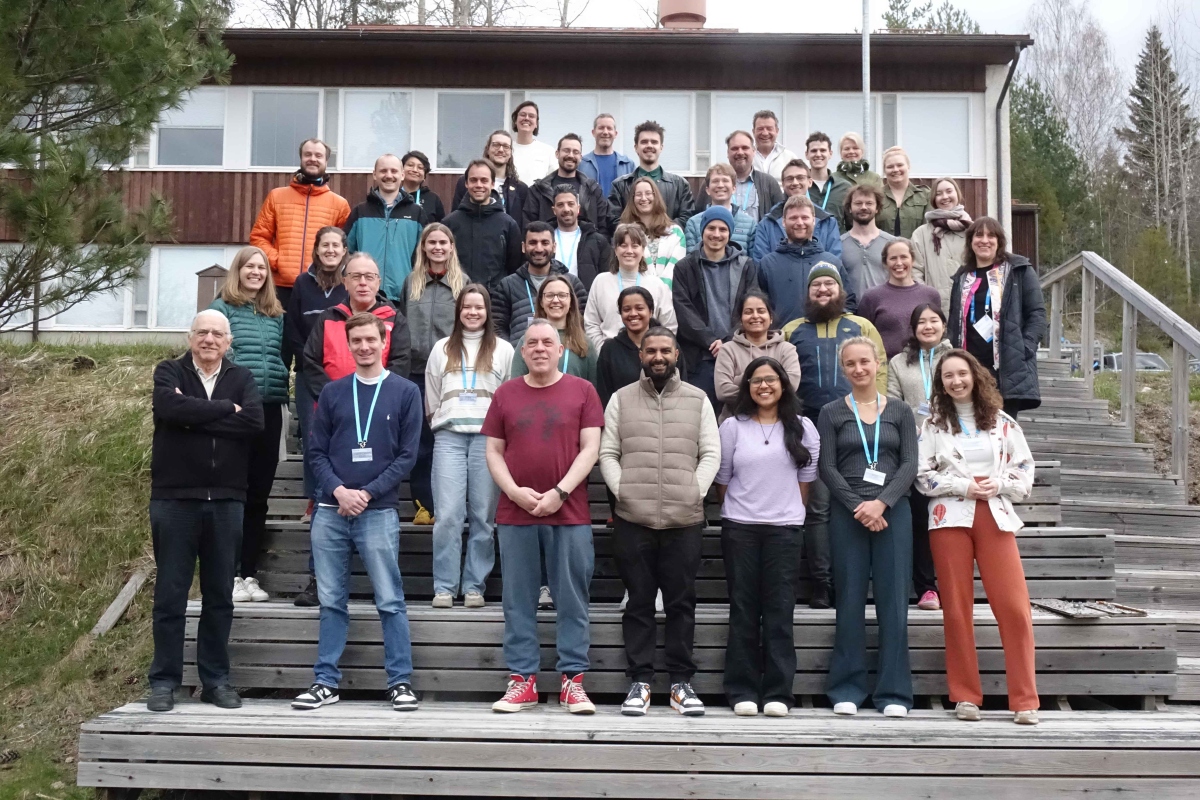
Running from 5th-15th May 2025, the 8th ICOS Summer School saw 35 students from Europe and beyond spent the best part of two weeks together learning about the carbon cycle and participating in a variety of practical exercises.
Previously organised every other year, ICOS Summer Schools are now held annually as part of NUBICOS, providing training for the next generation of ICOS scientists.
Beyond the scientific studies, the Summer School helped develop bonds and a sense of community among the participants.
- Read more about the Summer School here: https://www.icos-cp.eu/news-and-events/news/science-and-sauna-8th-icos-summer-school-successfully-held-hyytiala-finland
Living Planet Symposium 2025 brings ICOS closer to the remote sensing community
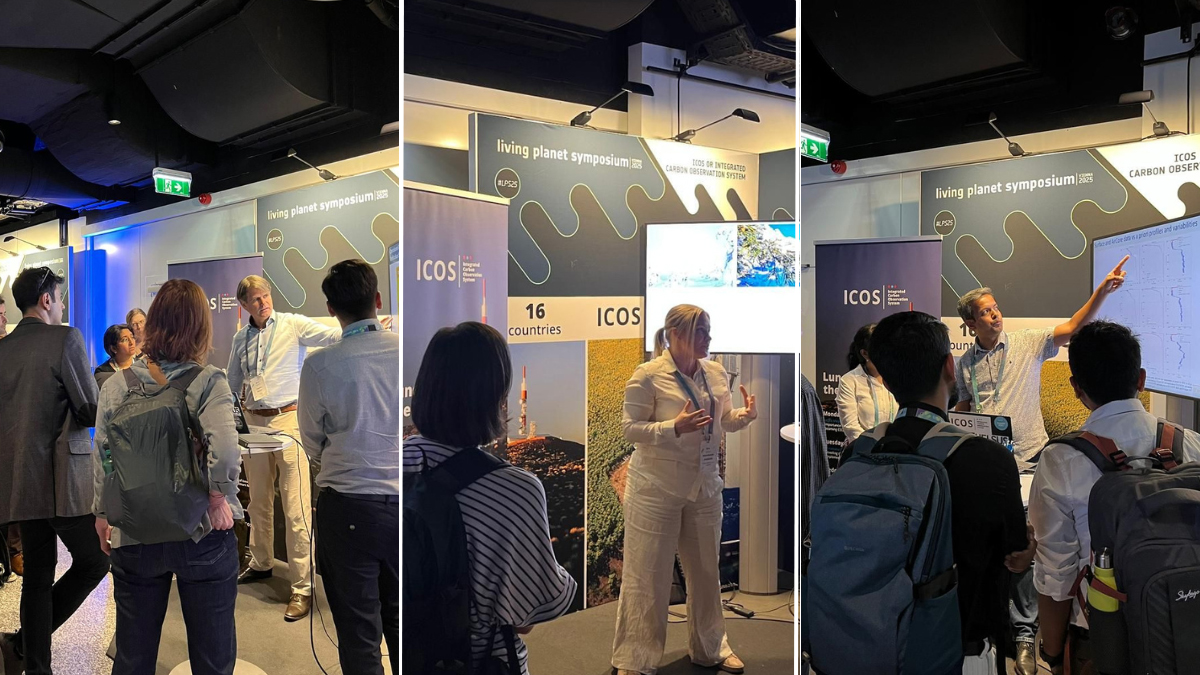
ICOS hosted a booth at this year’s Living Planet Symposium 2025, ESA’s flagship conference on remote sensing. Visitors came to learn about the ICOS network of in situ measurement stations, as well as the satellite community-facing developments within NUBICOS.
Our programme of lunch talks brought home the message that long-term in situ measurements of greenhouse gases act as an essential ground truth for satellite observations.