
Ocean Measurements
The network of ICOS Ocean stations conducts long-term observations of carbon up-take and fluxes in the Atlantic and the Nordic, Baltic and Mediterranean Seas. Based on instrumented Ships of Opportunity (SOO) and Fixed Ocean Stations (FOS), ICOS Ocean stations help improve our understanding of ocean carbon cycle dynamics.
How are Ocean measurements made?
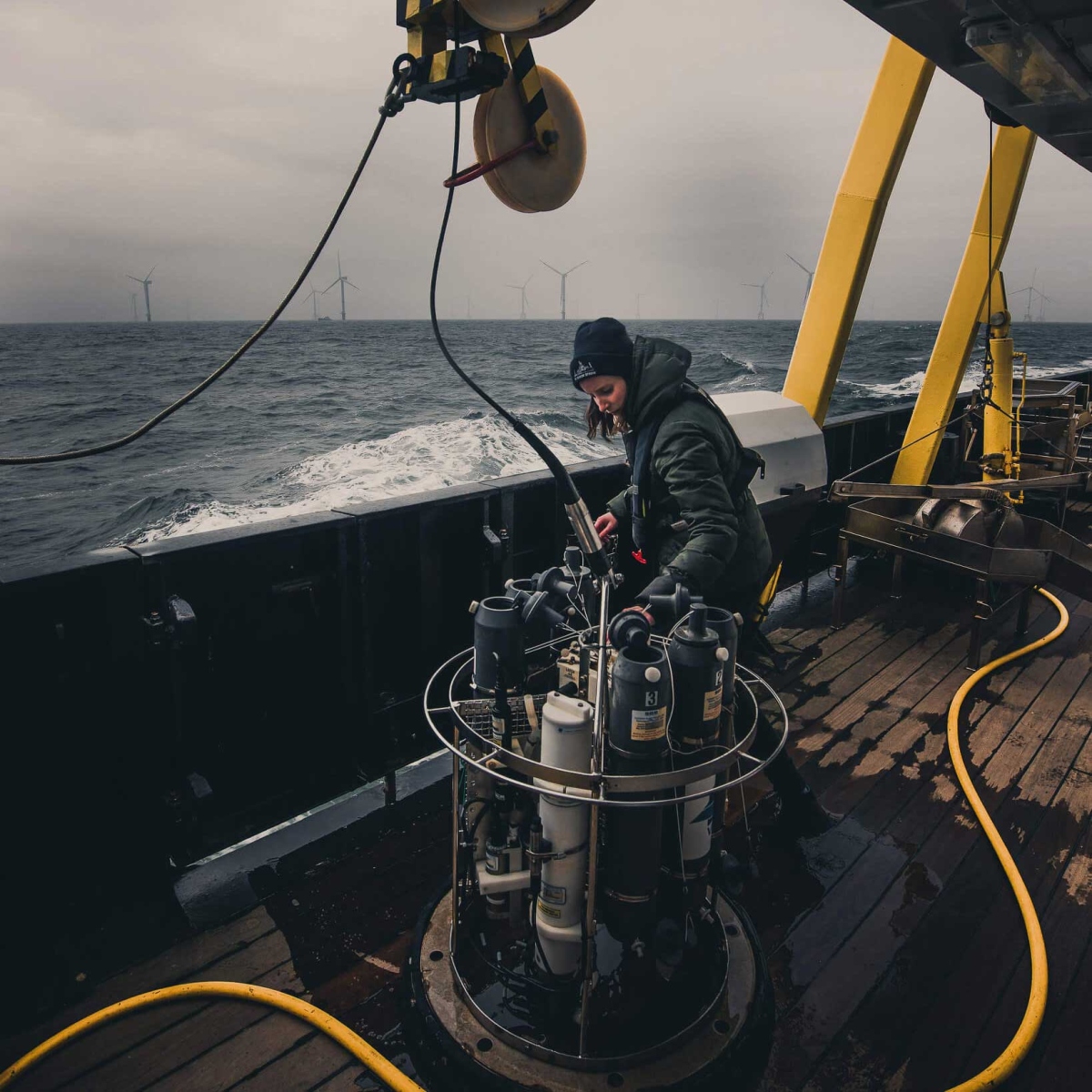
Ocean station measurement methods include sampling from research vessels, moorings, buoys and commercial vessels. All stations have been equipped with state-of-the-art carbonate system sensors.
Ships of Opportunity (SOO) are either research vessels or commercial ships operating on regular, repeated ship routes on the European shelf and marginal seas and those of cargo vessels on open ocean routes. They provide surface ocean and atmospheric data.
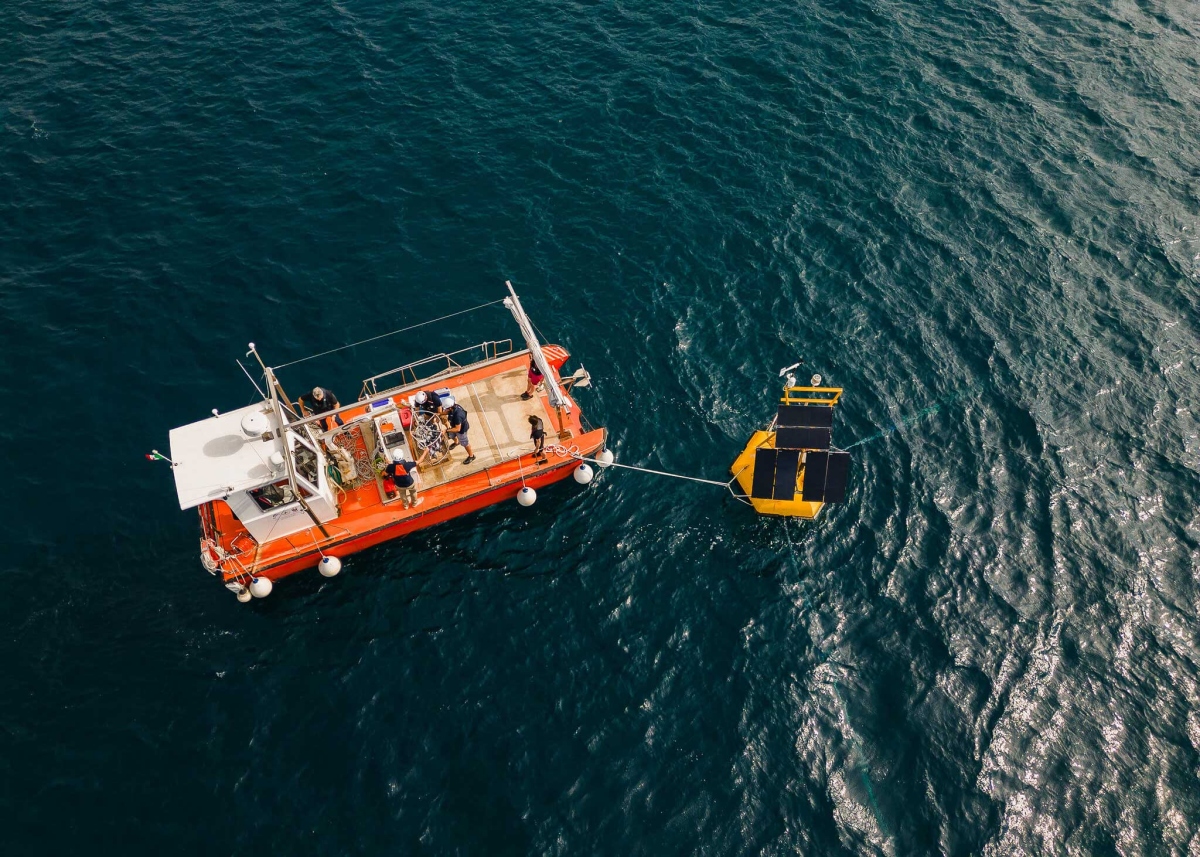
Fixed Ocean Stations (FOS) are fixed sites in the ocean, generally on open ocean moorings. They provide near-real-time data that also contain information from greater depths, such as temperature anomalies. These platforms require visits from well-equipped research vessels at least once a year. Coastal FOS can be equipped with shore-based towers called Marine Flux Towers (MFT) for direct flux measurements. Such mixed stations, by nature, serve both the Ecosystem and Ocean community.
ICOS Ocean stations and data collection
All Ocean stations are highly standardised, utilising similar methodologies and equipment. The ICOS standards cover recommendations on the best methods for making the measurements through to quality control and management of the data. All labelled stations have an ICOS agreed data quality and will use the same procedures for submitting the data.
ICOS Ocean stations are operated by scientists, researchers, technicians and other staff members from the national ICOS networks, with each station managed by a Principal Investigator.
Data collected at Ocean stations are processed and quality controlled by the Ocean Thematic Centre before being finally published on the ICOS Carbon Portal.
Ocean Thematic Centre
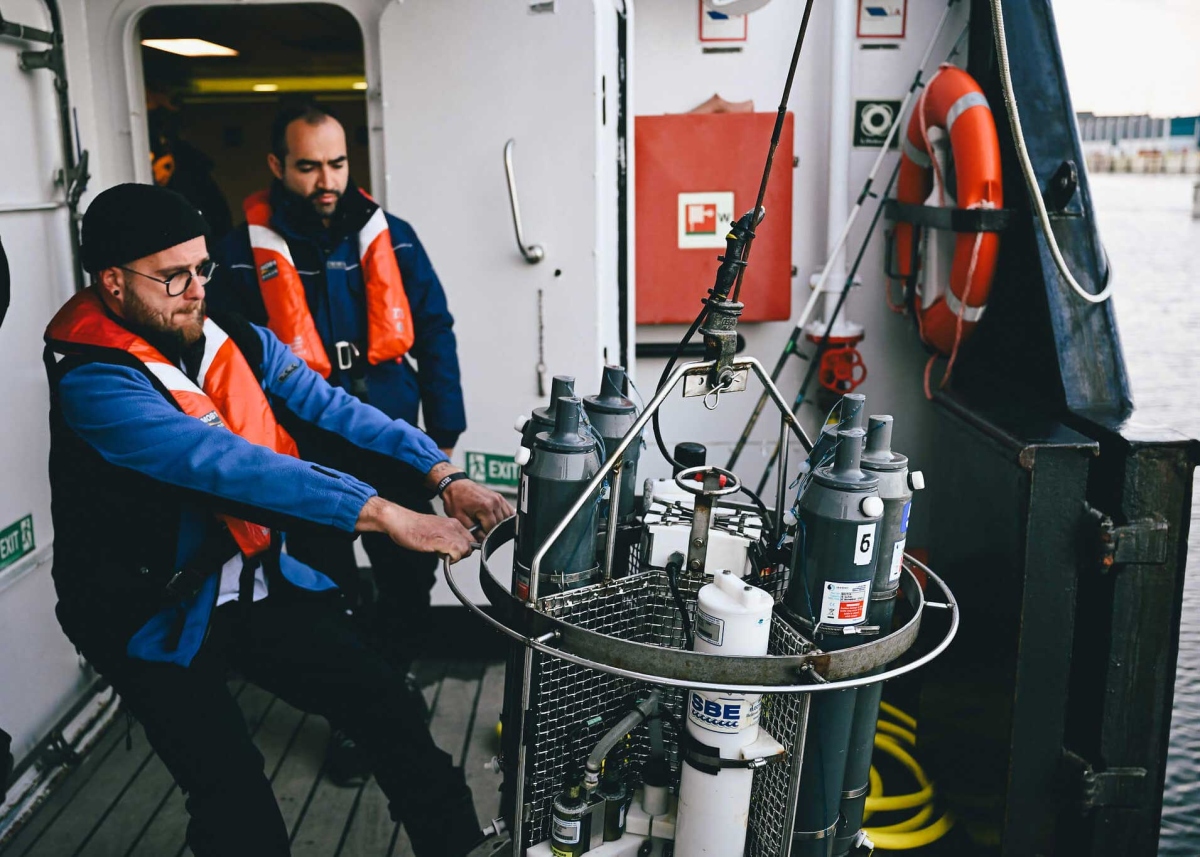
ICOS Ocean observations are coordinated by the Ocean Thematic Centre (OTC). ICOS OTC performs data processing and quality control and provides technical assistance to the stations.
ICOS OTC is coordinated and operated by Norwegian Research Centre (NORCE) in Norway, and University of Exeter and National Oceanography Centre in the United Kingdom.
Executive unit
The Executive Unit is in charge of leadership, coordination of Ocean Thematic Centre, network design and stakeholder liaison. OTC leadership is a shared responsibility between the OTC director and the deputy director.
Labelling unit
The Labelling Unit is in charge of the station labelling process. The unit’s task is also the development of station labelling reports. The reports include the evaluation of the stations undergoing the labelling procedure.
Data unit
The Data Unit oversees the data collection, availability and quality. The unit tracks the data collection, flow, processing, quality and availability for all the stations that are part of the ICOS Ocean network. They ensure the contribution to the relevant global data collections, as well as prompt actions to solve potential critical situations.
Training unit
The Training Unit’s task is to optimise and standardise performance of the network instrumentation and calibration. They provide guidance, technical support for installations at individual stations and organise training events for the ICOS Ocean community.
New Technology and Platforms unit
New Technology and Platforms Unit oversees new sensors and new platforms. Its task is to invite early adopters as collaborators or partners in future research grants to explore new technologies.
Contact OTC

Director, ICOS Ocean Thematic Centre