

Real-time emissions monitoring for stronger urban climate action
This success story was originally published on the EU Commission website: Green Deal Success Story ICOS Cities-PAUL
ICOS Cities-PAUL has developed innovative tools to help cities monitor greenhouse gas emissions in near real time. The project enables cities to verify emissions, identify sources, and evaluate the impact of climate action measures.
About the project
Greenhouse gas (GHG) inventories provide a comprehensive accounting of all GHG emissions and removals by an entity, such as a country, city, or company, over a set time period (typically a year). While traditional GHG inventories are the global standard for emission reporting, they face a 10-30% uncertainty margin and reporting lags of up to two years. This prevents city planners from seeing the immediate impact of climate policies. The ICOS Cities-PAUL project aimed to revolutionise urban climate governance by establishing high-density atmospheric sensor networks in European cities. By providing an evidence-based "ground truth" from monitoring the atmosphere, the project supports the 100 EU Mission Climate-Neutral and Smart Cities in moving from self-reported estimates to near-real-time, empirical verification of their net-zero progress.
Description of success
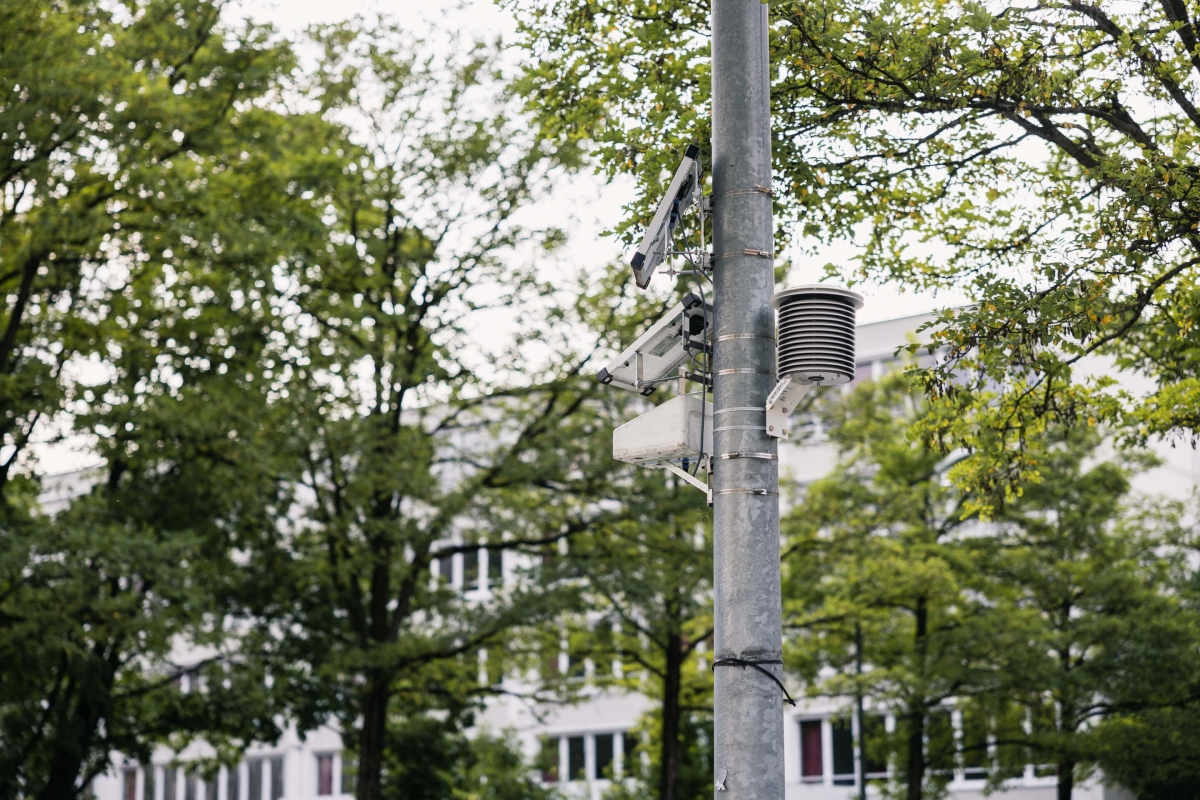
ICOS Cities-PAUL’s core success is the development of a monitoring framework which verifies a city’s greenhouse gas emissions by combining traditional statistical inventory calculations with real-time atmospheric observations. Traditional emission reporting has been limited by a lag problem, where city planners were making 2026 decisions based on 2024 data. This two-year lag made it impossible to see if a specific climate-focused policy, such as a new low-emission zone, was working in real-time. To address this, the ICOS Cities-PAUL project successfully engineered a high-density sensor network that reduced reporting lags from years to weeks. This has allowed the project to offer cities rapid feedback on municipal climate action decisions. In cities such as Paris, the project’s physical sensors verified a reported 25% reduction in CO2 emissions, proving that the city’s climate efforts are paying off in concrete terms.
The high temporal and spatial resolution of the project’s sensor network helped to identify hotspots and leaks, and in cities like Munich, the system allowed the team to pinpoint previously unknown emission sources that were overseen by to traditional statistical methods. Furthermore, the project also assisted cities in attributing emissions to specific sources and sectors.
Highlights
- Near-real-time verifiability: Reduced emission reporting lags from years to weeks, allowing for agile policy adjustments.
- High resolution: Achieved street-level data (100m–500m resolution) capable of identifying specific GHG hotspots and infrastructure leaks.
- Policy assessment: Enabled city planners to observe the impact of specific interventions, such as new low-emission zones or heating policies.
- Accessibility for all cities: Developed a downscaling tool that allows cities with limited resources to create their first emission inventory without extensive prior knowledge.
- Sector prioritisation: For the 15 European cities in the ICOS Cities network, the project developed city emission factsheets to help identify the biggest emission sectors (typically buildings, energy, and road transport), which often account for over 80% of urban emissions.
Outputs
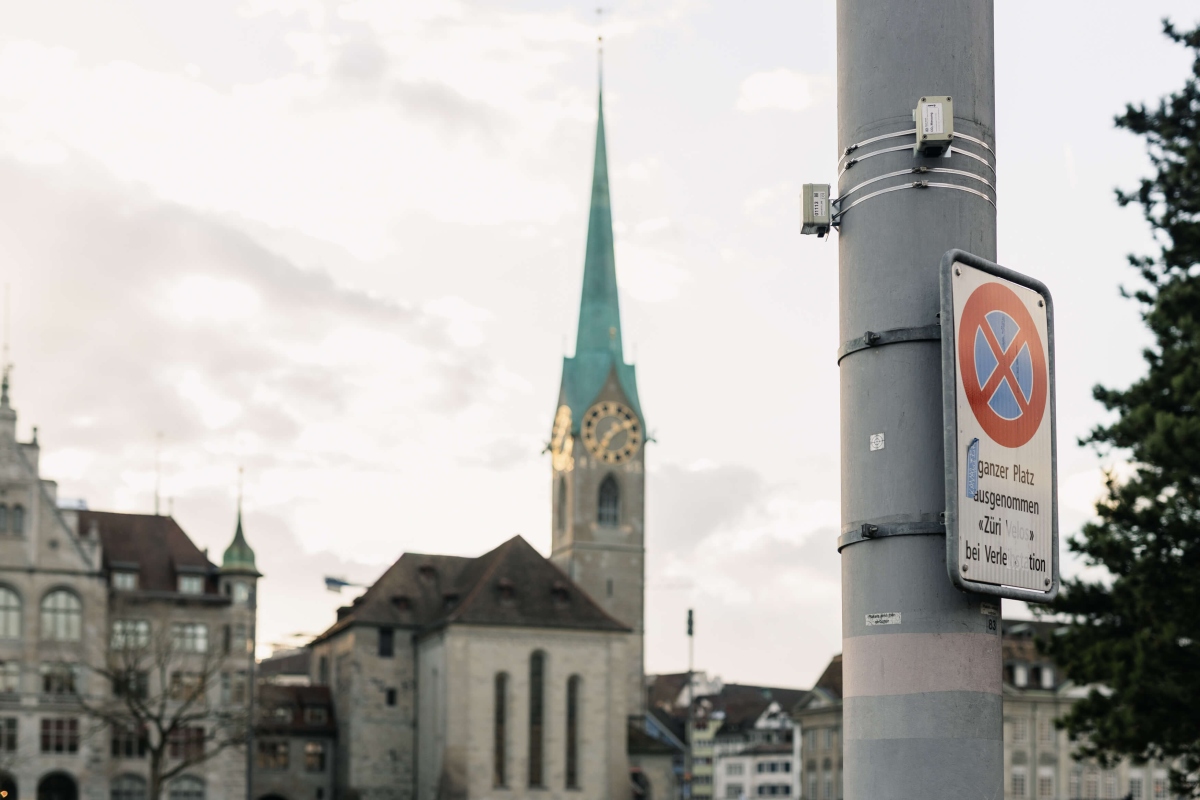
ICOS-Cities PAUL has successfully established high-density networks of sensors to monitor atmospheric GHG emissions at the local scale Paris, Zurich, and Munich. Thanks to its experience with the pilots, the project has also has contributed to the development of World Meteorological Organisation (WMO) Urban Emission Guidelines, a new global standard for urban greenhouse gas monitoring co-authored by ICOS Cities scientists. For deeper insight, the project has published an interview with a Lead Author on its website.
In addition, the project developed the report “Guidelines for European cities: a flexible and efficient approach for creating city emission inventories". This report provides a step-by-step roadmap for cities to build robust inventories regardless of their prior knowledge.
Impact
The measurement networks set up by ICOS-Cities PAUL help to verify GHGs reported by cities in fulfilment of national efforts for the European Climate Law. The law requires the EU and its Member States to report their annual GHG emissions to monitor alignment with global emission reduction obligations. The sensors help to prove whether cities are on track with the European target of a 55% reduction in GHG emissions by 2030. Furthermore, by reducing the margin for error in GHG inventories, the project has helped to build political and public confidence in net-zero policies. The project’s network of sensors improves GHG monitoring for sectors, such as urban transport and residential heating. The project makes creating a GHG inventory easily achievable for all European cities and empowers local stakeholders to make informed, data-driven decisions.
Lessons
- Atmospheric monitoring serves as a vital verification step that identifies where emissions inventories are accurate and where they require correction.
- The most effective strategy for cities is combining traditional ‘bottom-up’ activity data with ‘top-down’ atmospheric measurements.
- Standardising measurements via the WMO guidelines ensures that data from different European cities are comparable, creating a unified carbon map.
- By prioritising sectors, for example by targeting the top 80-95% of emitters, cities can achieve high-accuracy results without being overwhelmed by data collection.
Other information
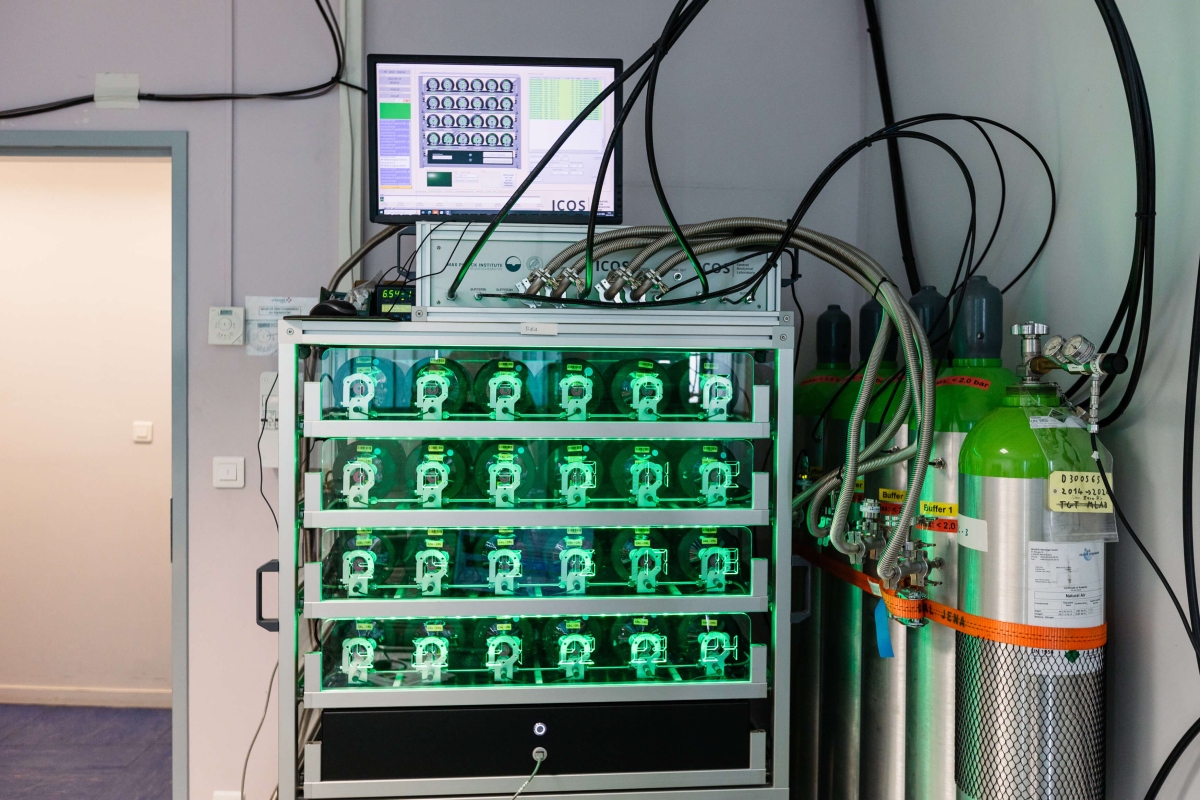
The ICOS Cities-PAUL project was coordinated by the European Research Infrastructure ICOS, Integrated Carbon Observation System, together with more than 30 European partner institutions. ICOS produces high quality, standardised and open data from 180 measurement stations across 16 European countries. ICOS stations measure greenhouse gas exchanges between the atmosphere, land surface and oceans and their concentration in the air.