Welcome to the ICOS Community Hub!
The ICOS Community Hub gathers a variety of informational, onboarding and educational materials in one searchable place. Whether you're new to ICOS and looking to join the network, or have been part of the community for years, use the Community Hub to find the resources you need.
Here are some resources curated for you!
General Assembly meeting documents and related materials. Access restricted to authorised users.
Ethical principles and responsibilities guiding collaboration, data handling, communication, environmental responsibility, and the role of ICOS in society.
The ICOS Statutes define the legal framework, governance structure, and operational principles of ICOS ERIC.
Meeting documents and materials related to the Atmosphere Monitoring Station Assembly. Access restricted to authorised users.
Meeting documents and materials related to the Ecosystem Monitoring Station Assembly. Access restricted to authorised users.
Meeting documents and materials related to the Ocean Monitoring Station Assembly. Access restricted to authorised users.
Repository of Research Infrastructure Committee meeting agendas, presentations, and documents. Access restricted to authorised users.
A concise introduction to ICOS covering the organisation’s mission, structure, thematic centres, and key processes.
A comprehensive overview of how ICOS operates from the organisational structure to measurement specifications and financial requirements.
The Annual Reports present an overview of the activities, achievements, and progress of the entire RI: ICOS ERIC throughout the year.
Explore the ICOS network of atmosphere, ecosystem, and ocean stations across Europe through an interactive map and station directory.
Guidelines describing the ICOS station labelling process and classification system, ensuring high-quality and standardised observations across the network.
Step-by-step guidance for using the ICOS Fileshare platform, including account setup, file management, and sharing features.
Guidance on using and managing ICOS mailing lists, including subscriptions, account settings, moderation, and list ownership.
Strategic document outlining the organisational structure, governance, and management principles of the ICOS Research Infrastructure.
Overview of the ICOS Research Infrastructure structure, showing how the Station Networks, National Networks, Thematic Centres, Central Facilities, and ICOS ERIC work together across the three
ICOS Talks is a series of online presentations and discussions by scientists, for scientists.
Guidance on how to search, visualise, and download greenhouse gas datasets and products available through the ICOS Carbon Portal.
Webinar series introducing ICOS Carbon Portal services, from finding and visualising data to using tools for data science and analysis.
Introductory video presenting ICOS, its mission, infrastructure, and role in advancing greenhouse gas observations and climate research across Europe.
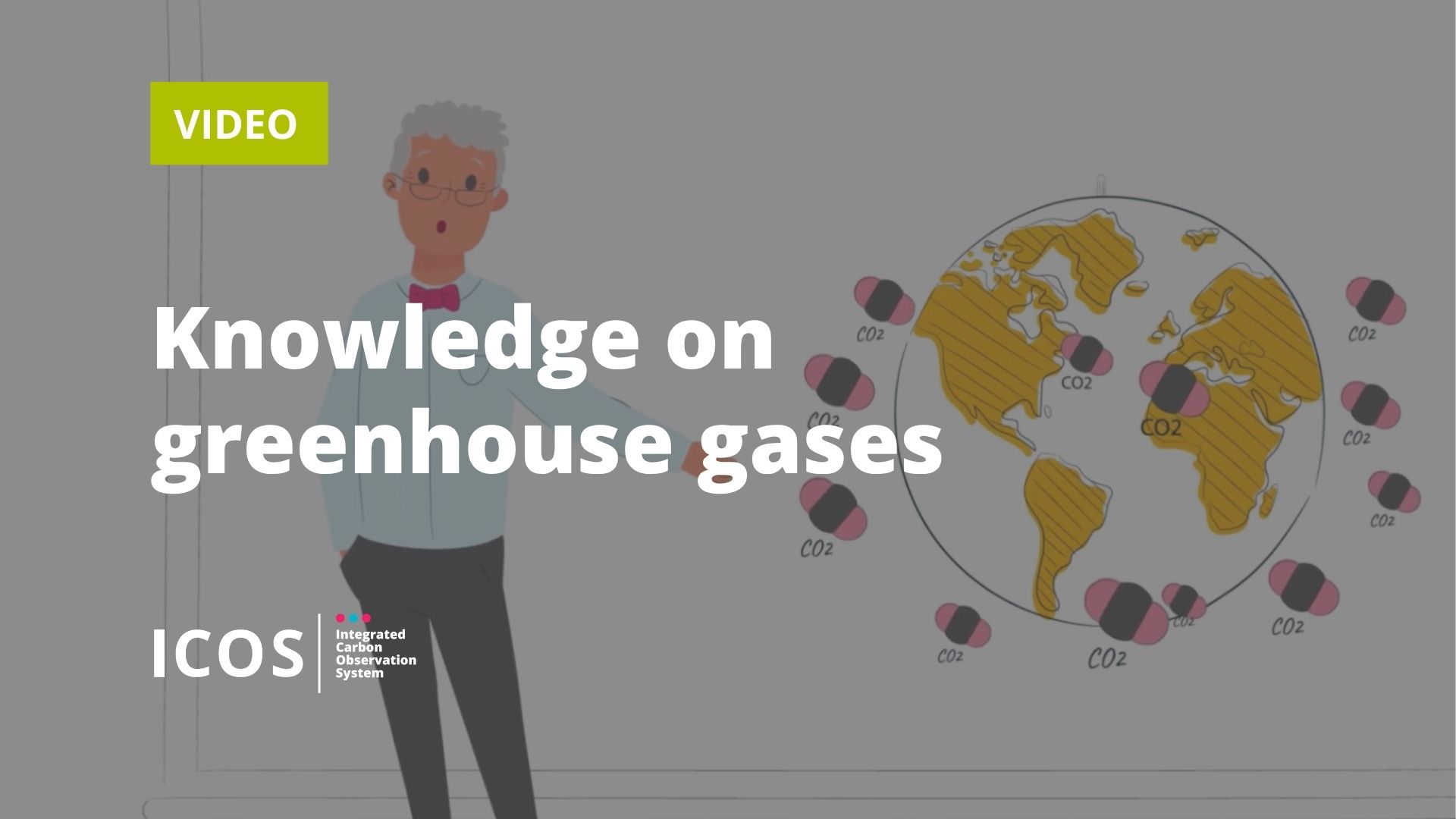
Educational video introducing greenhouse gases and the fundamentals of climate science.
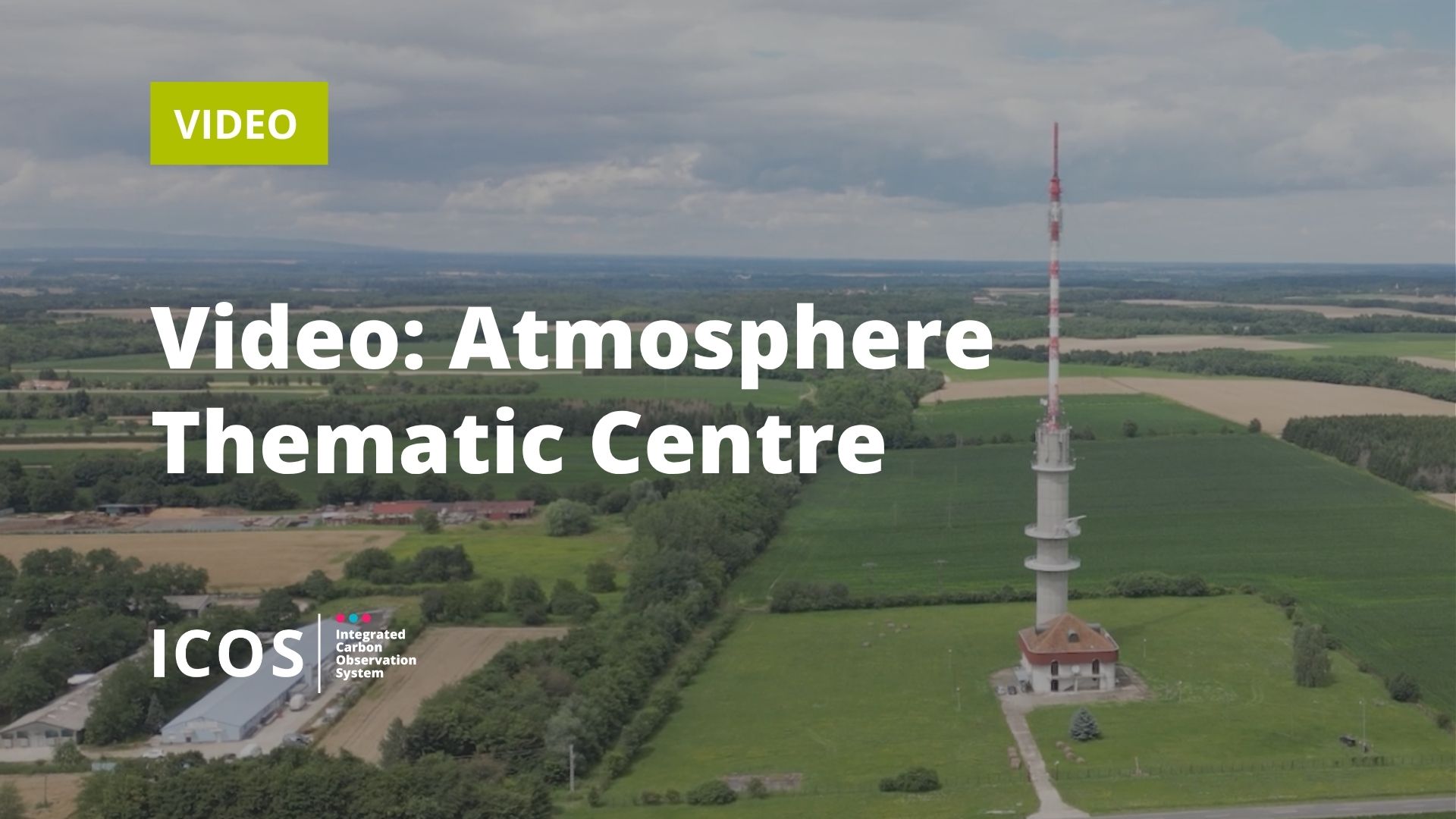
Discover the role and activities of the Atmosphere Thematic Centre through this short video introduction. Highlights atmospheric monitoring and data services.
Discover the role and activities of the Ocean Thematic Centre through this short video introduction. Highlights ocean monitoring and data services.
This webinar is intended to bootstrap future technical collaboration between the data producers and the Carbon Portal.