
JOHN project kicks off to strengthen global greenhouse gas monitoring
The Horizon Europe-funded JOHN project held its kick-off meeting on 13–15 October 2026 in Southampton, United Kingdom. The four-year project, coordinated by the ICOS Ocean Thematic Centre, brings together 17 partner organisations to strengthen global greenhouse gas monitoring and improve the information available for climate science and decision-making.
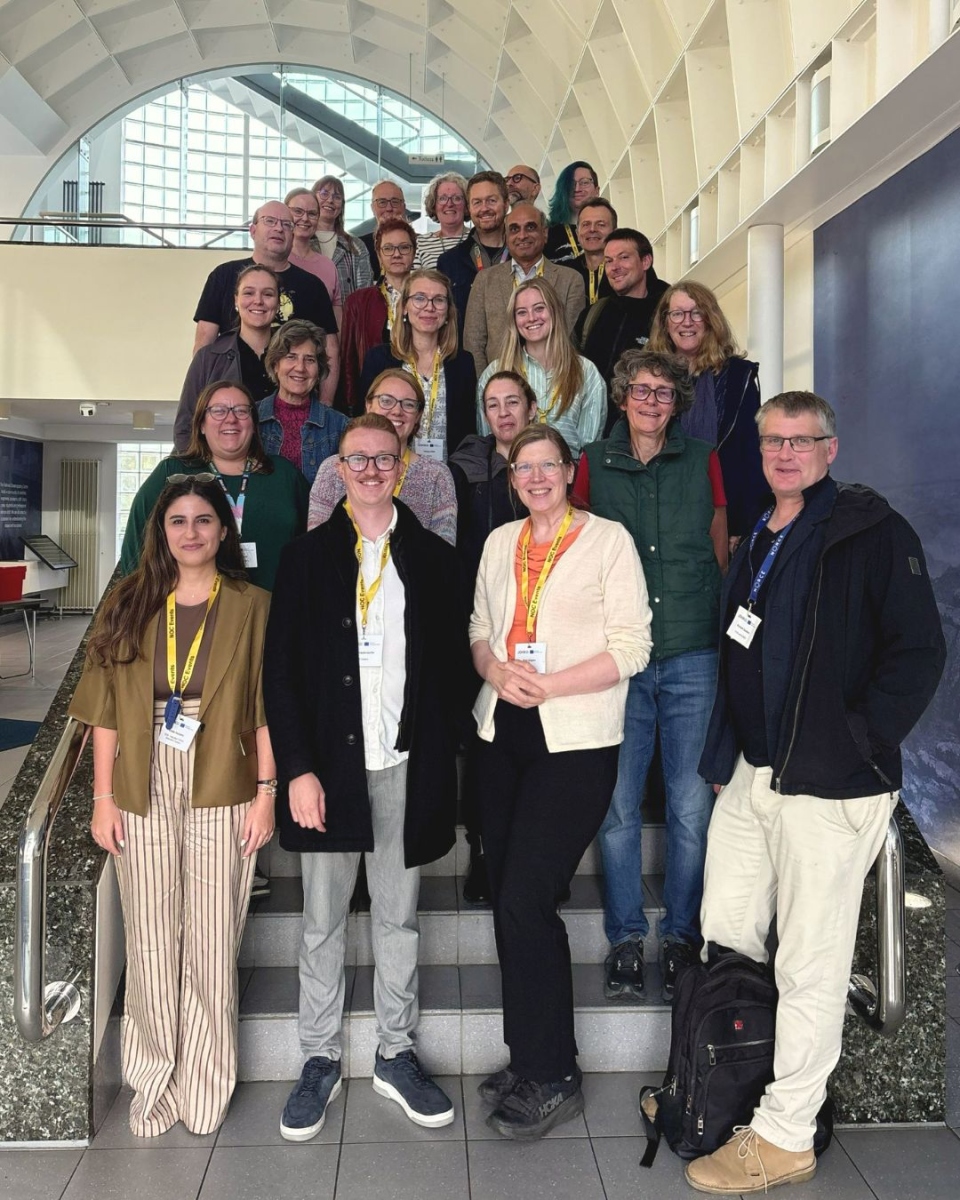
Hosted by the National Oceanography Centre (NOC), the three-day meeting brought together project partners from across Europe and Canada to discuss the project's objectives, plan upcoming activities and establish collaboration across the consortium.
JOHN (Joint Operations for Monitoring Anthropogenic and Natural Greenhouse Gas Emissions and Sinks) aims to improve the quality, efficiency and long-term sustainability of global greenhouse gas observing systems.
The project will assess the current state of greenhouse gas observations, including their governance and funding mechanisms, explore emerging technologies and digital solutions, and identify ways to improve existing data flows. JOHN will develop action plans and roadmaps to support the long-term transformation of observing systems, including sustainable governance and funding arrangements.
Connecting science, technology and international cooperation
A unique feature of JOHN is its comprehensive approach to greenhouse gas monitoring. The project covers observations across the atmosphere, land and ocean, examining the entire process from data collection and processing to scientific assessments and information used in decision-making. Several ICOS affiliated institutions are involved in the work packages, including NORCE, University of Exeter, NOC, LCSE, University of Heidelberg, University of East Anglia, Max Planck Society (MPG) and University of Versailles Saint-Quentin-en-Yvelines (UVSQ). University of Lund, which hosts the ICOS Carbon Portal, is also a partner in the project.
During the kick-off meeting, partners presented their planned activities and took part in workshops covering the current state of the observing system, emerging technologies, data flow optimisation, governance and financing. Discussions also focused on stakeholder engagement and ensuring that JOHN's results have a lasting impact.
The programme included updates on the World Meteorological Organization's Global Greenhouse Gas Watch (G3W) initiative and the Global Carbon Project. JOHN will utilise its existing connections to these initiatives to strengthen greenhouse gas monitoring.
Coordinated by ICOS Ocean Thematic Centre's host institute NORCE in Norway, JOHN brings together international organisations, research infrastructures as well as leading universities and research institutions. The consortium also extends beyond Europe, with Dalhousie University in Canada leading the project's work on governance and financing.
“JOHN brings together expertise from across the international greenhouse gas monitoring community to address a shared challenge: how to make our observing systems more reliable, efficient and sustainable in the long term. Over the next four years, we want to turn this collaboration into improvements that strengthen the information available for climate science and decision-making,” says Richard Sanders, JOHN project coordinator at NORCE