Excursions
Do you plan to have a little extra time after the Science Conference? Why not visit an ICOS station or meet the team at ICOS Carbon Portal? Our conference partners at Lund University have organised some excellent excursions for Friday 18th September!
Note: It is only possible to register for one excursion, as all excursions take place on the same day.
Please note that the exact times and contents of these excursions are subject to change at the discretion of ICOS ERIC.
Excursion 1: ICOS Hyltemossa atmosphere and ecosystem station
Date: Friday 18 September (full day)
Cost: 350 SEK
Capacity: 44 people
Departure: 8:30 from: Sölvegatan 12, 223 62 Lund
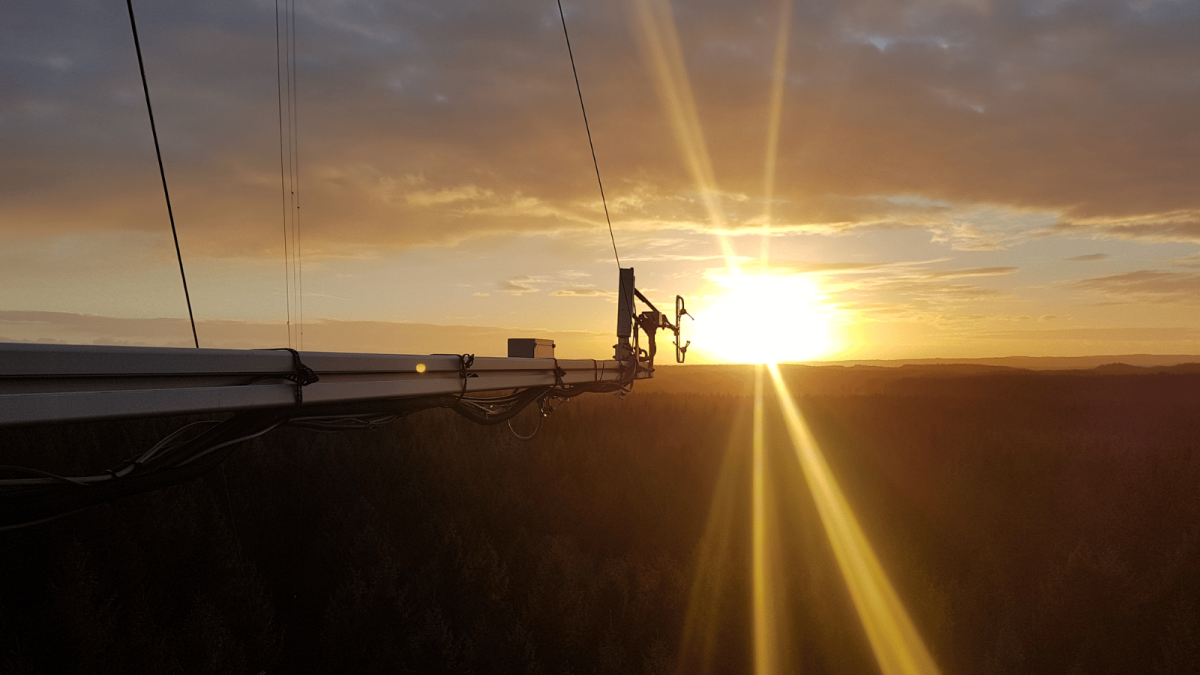
This one-day excursion will take you to the Hyltemossa Research station, located within a commercially used spruce forest in northern Scania, about 1.5 hours drive north of Lund. Hyltemossa is one of the major nodes of the climate-related research infrastructure in Sweden and combines an ICOS Class 1 Atmosphere and Class 2 Ecosystem station, an ACTRIS station and measurements for the SITES spectral program. You will get the opportunity to learn about the measurements at Hyltemossa, to tour the facilities, and to hear about the ongoing research including the ENVRINNOV project. Bus transfer, lunch and Swedish fika with coffee and tea are included in the price.
Preliminary programme:
8:30 from Sölvegatan 12, 223 62 Lund
10:00 - 14:30 Visit to Hyltemossa
14:30 Depart to Lund
16:00 Arrive back in Lund: Sölvegatan 12, 223 62 Lund
Excursion 2: Perennial grain experiment in Alnarp
Date: Friday 18 September (half-day)
Cost: 250 SEK
Capacity: 45 people
Departure: 9:00 from: Sölvegatan 12, 223 62 Lund
Since humans began cultivating crops around 10,000 years ago, agriculture has been dominated by annual crops with shallow roots, frequent tilling and high input requirements, including seeds, fertilizers, and pesticides and high machinery use. Perennial grains could offer an alternative way of producing food. With their extensive and deep root systems, along with minimal tillage, they may have potential to mitigate greenhouse gas emissions, reduce nutrient leakage, soil erosion and decrease the need for external inputs.
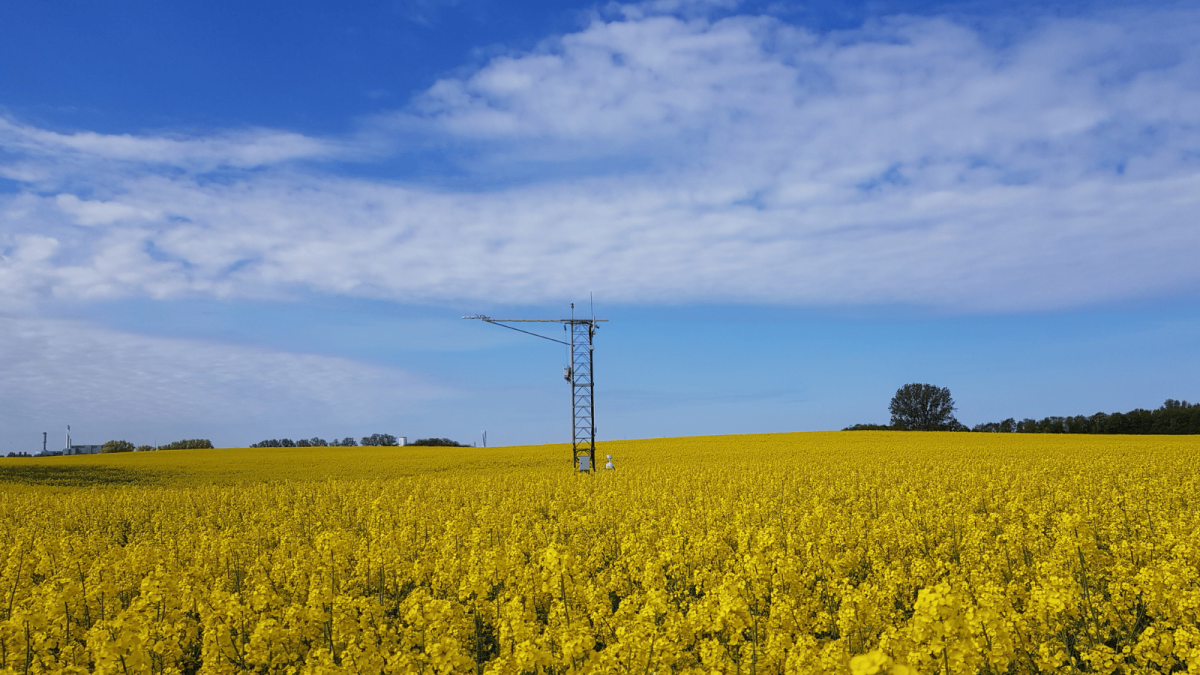
This half-day excursion will take you to the experimental field sites in Alnarp, where two adjacent 10-ha fields of annual and perennial grain crops, established autumn 2023, are compared in terms of climate mitigation potential. The comparison is carried out using the eddy covariance technique, among other in situ measurements. The visit will conclude with a Swedish fika with coffee and tea (included in the cost), where you will have the possibility to try freshly baked perennial grain Kernza bread.
Preliminary Programme:
9:00 from: Sölvegatan 12, 223 62 Lund
9:30 - 11:30 Visit Alnarp
11:30 Depart to Lund
12:00 Arrival back in Lund: Sölvegatan 12, 223 62 Lund
Excursion 3: Meet & Greet the ICOS Carbon Portal
Date: Friday 18 September (half-day)
Cost: free of charge (registration still needed)
Capacity: 30 people
Location: Sölvegatan 12, Lund
This event will give you the possibility to meet and talk to the people working at ICOS Carbon Portal, based in Lund University only a short walk from the conference venue. This informal get together will be combined with information about the behind the scene of the ICOS Carbon Portal data repository, what services we offer and how the data repository can be used. Lebanese-style vegetarian lunch and a coffee break are included in the visit.
Preliminary Programme:
10:00 - 10:30 Who and What is the ICOS Carbon Portal
10:30 - 10:45 Short coffee and split to different meetings
- 10:45 - 11:45 How to SPARQL, and why it is useful
- 10:45 - 11:45 Data upload: need to know, good to know
- 10:45 - 11:45 Jupyter Notebooks VRE with Python: who, how, where, why
- 10:45 - 11:45 Optional topic of your suggestion
11:45 - 12:15 Q&A, quiz, closing remarks
12:15 - 14:00 Lunch
Excursion 4: Guided Tour of the European Spallation Source (ESS)
Date: Friday 18 September (half-day)
Cost: free of charge (registration still needed)
Capacity: 15 people
Departure: Meet at ESS at 9:15 (Address: Partikelgatan 2, 224 84 Lund, Sweden). The participants are encouraged to take the tram or find another way to get to the location, as there will be no separate group transport organised.
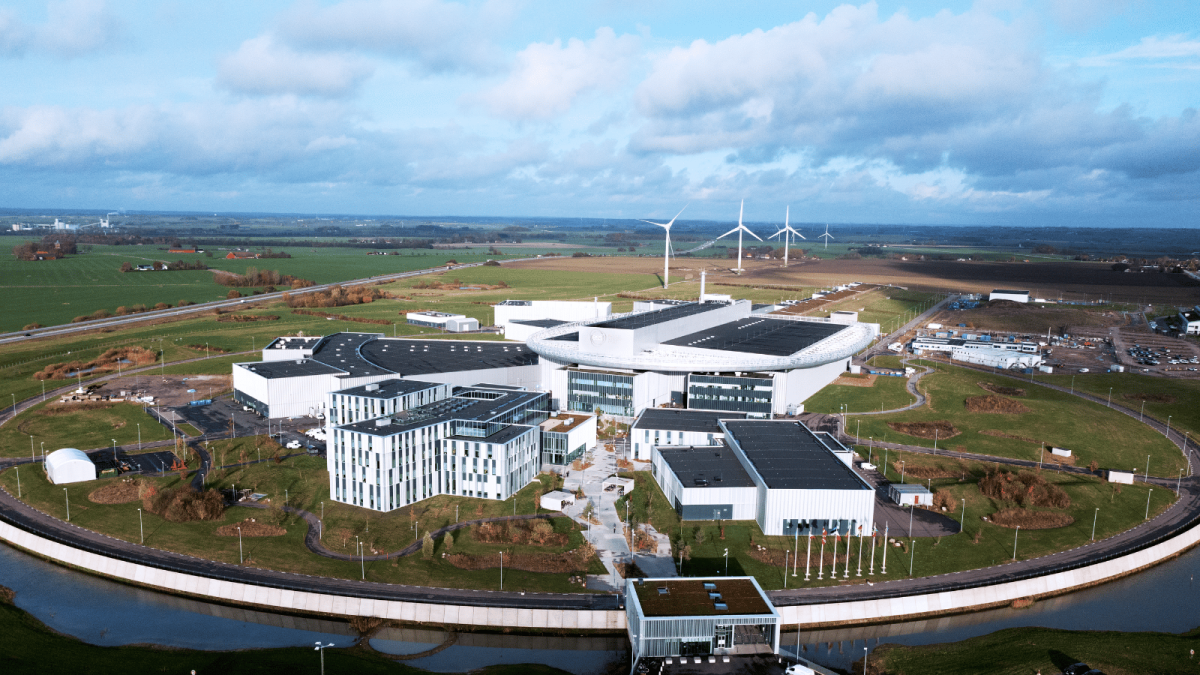
The European Spallation Source (ESS) is a European Research Infrastructure Consortium (ERIC), a multi-disciplinary research facility based on the world’s most powerful neutron source. ESS is under construction on the outskirts of Lund. The facility’s unique capabilities will both greatly exceed and complement those of today’s leading neutron sources, enabling new opportunities for researchers across the spectrum of scientific discovery, including materials and life sciences, energy, environmental technology, cultural heritage and fundamental physics.
Preliminary Programme:
9:15 Meeting at the final destination of Lund’s only tram line (”Lund ESS”). The tram ride takes 15 min from Lund C.
9:30 - 11:30 Guided tour of ESS facilities
11:30 Return to Lund city center by tram