New FLUXNET Shuttle gives unprecedented access to ecosystem flux data
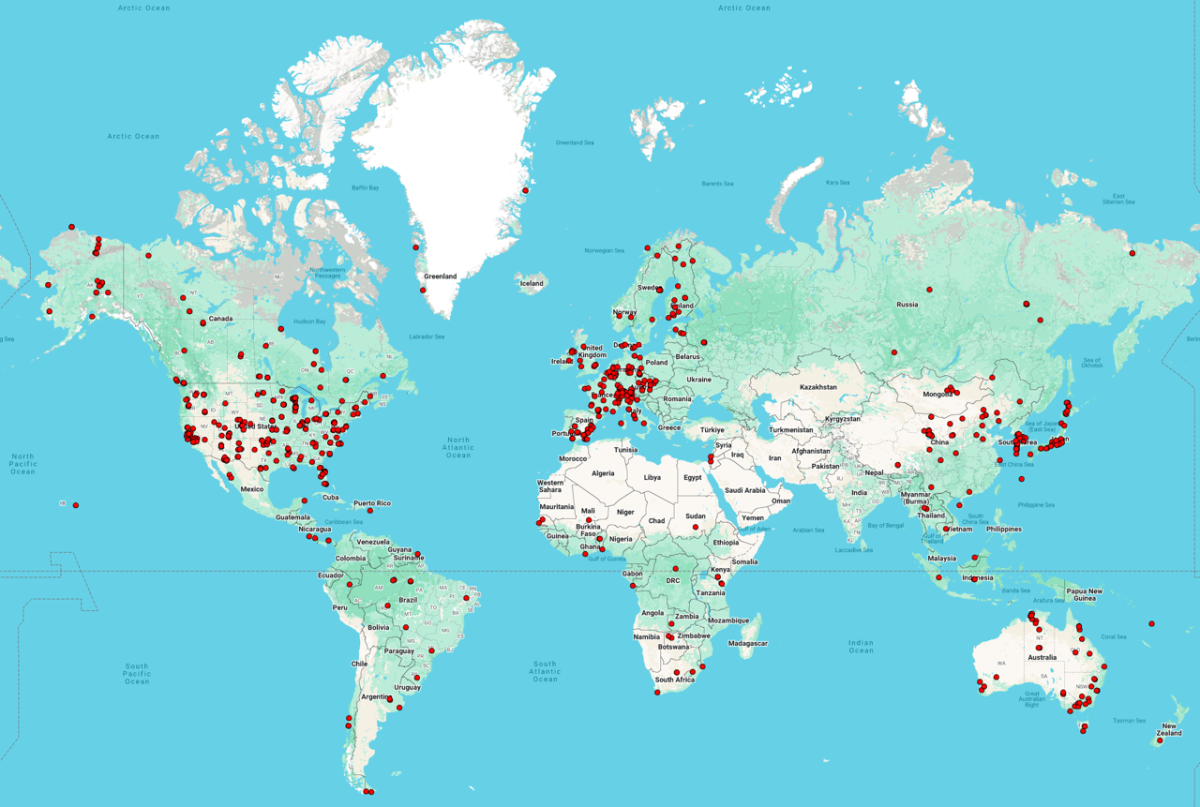
The FLUXNET Shuttle, a new tool within the FLUXNET Data System, gives global users easier access to standardised flux data from multiple regional networks. The main improvement is the shift from rare major releases, such as FLUXNET2015, to a collection of continuously growing, continuously updated eddy covariance datasets. Data from more than 700 ecosystem sites are available, giving users broader global coverage than before. ICOS contributed significantly to the development of the Shuttle.
The global FLUXNET community has launched a new tool, the FLUXNET Shuttle within FLUXNET Data System. The Shuttle gathers data from participating regional eddy covariance networks in North America, South America, Europe, Australasia, Asia and Africa into one access route. The tool was created in collaboration with the whole community, with ICOS playing a key role in developing the shared processing approach with partner networks, preparing European datasets, and supporting data publication through the ICOS Carbon Portal.
The main improvement of the new FLUXNET Data System is the shared responsibility between hubs to produce continuous updates instead of infrequent major releases. Earlier large synthesis efforts, such as FLUXNET2015 required major coordination, relied on a few individuals and could only happen occasionally. The new system enables close cooperation among the world’s flux networks, building a more robust approach, and giving users access to unprecedented amounts of data.
“A dataset like this, which now includes three times as many sites as FLUXNET2015, with more than 700 sites and almost 6000 site-years of data, covers the world much better. This really allows analysis at a global scale and helps reduce bias in the observations”, says Dario Papale, Director of the ICOS Ecosystem Thematic Centre (ETC). “For ICOS, the FLUXNET tool means a stronger connection between ICOS ecosystem data and the wider global flux community, while making it easier for users to combine high-quality ICOS observations with broader global coverage", he continues.
The Shuttle and ICOS Carbon Portal remain complementary systems
For ICOS data users, the FLUXNET Shuttle and regional data portals serve different needs. The Carbon Portal will remain the primary access point for users mainly using European flux data, or users who wish to get more information about the sites, or who wish to contact the regional network. The FLUXNET Shuttle in turn, provides a wider global coverage across many more sites.
All the data are shared under a common open access data license (CC-BY). When using FLUXNET data in scientific publications, users are required to cite and acknowledge the regional data the same way they would when downloading it through the regional data portals. The FLUXNET Shuttle supports this by providing a ready-made citation that users can easily copy into their manuscript. Proper citation is an important part of recognising the work of data providers and sustaining the wider system.
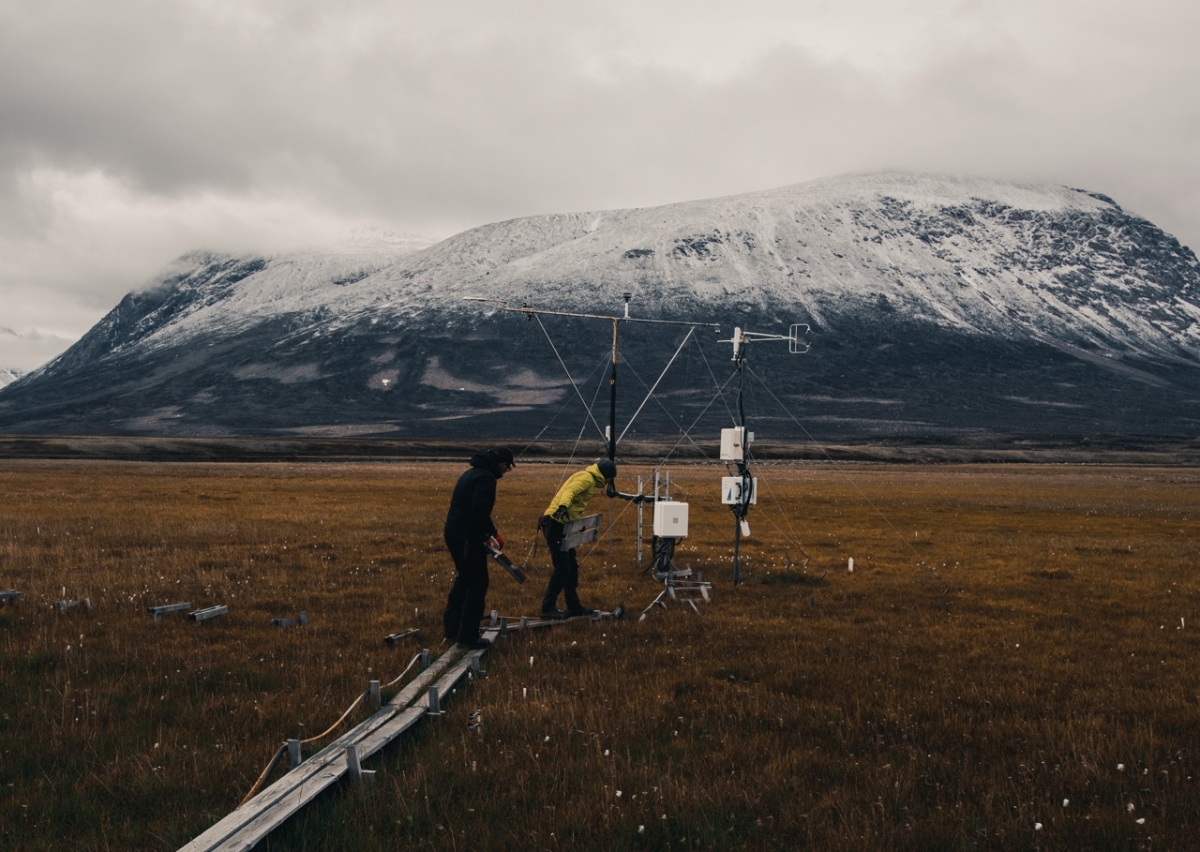
The FLUXNET community hopes that improved global access to quality data will encourage new users to use the data.
“We hope to reach out the satellite community, all kinds of modellers, ecologists, and emerging communities such as those working with carbon farming or nature-based solutions. Of course, we hope this data will also be found by the education community, as well as scientists working on biodiversity”, Dario Papale says.
The system, first introduced at end of last year, became fully operational this week. The development continues, as more sites are expected to be added, along with continuous processing improvements and outreach to user communities.
Every regional, national or local networks and every single site is invited and welcome to join the initiative.
This new system was created in collaboration with the whole community, with particularly strong contribution from AmeriFlux, ICOS and TERN and organisation of data collection and preparation by ChinaFLUX, European Fluxes Database, KoFlux, JapanFlux and SAEON. Learn how to participate here