Four greenhouse gas measurement stations receive the ICOS label – among them stations in Belgium and Ireland
ICOS is pleased to announce that four new measurement stations have received the status of an ICOS labelled station. The ICOS station labelling process is a standardisation and quality control programme that ensures stations meet the high standards of an ICOS greenhouse gas measurement station. The newly labelled stations are located in Belgium and Ireland.
Station labelling is quality-assurance process mandatory for all ICOS stations entering the network. The process includes a strict criteria for measurements at the station and for data production. Once the station fulfils all the criteria set for an ICOS station, it receives an ICOS label as a guarantee that the data produced is of the highest quality.
Congratulations to the personnel working at these stations, as well as the institutes responsible for them!
Mace Head – European ‘supersite’ for international greenhouse gas networks
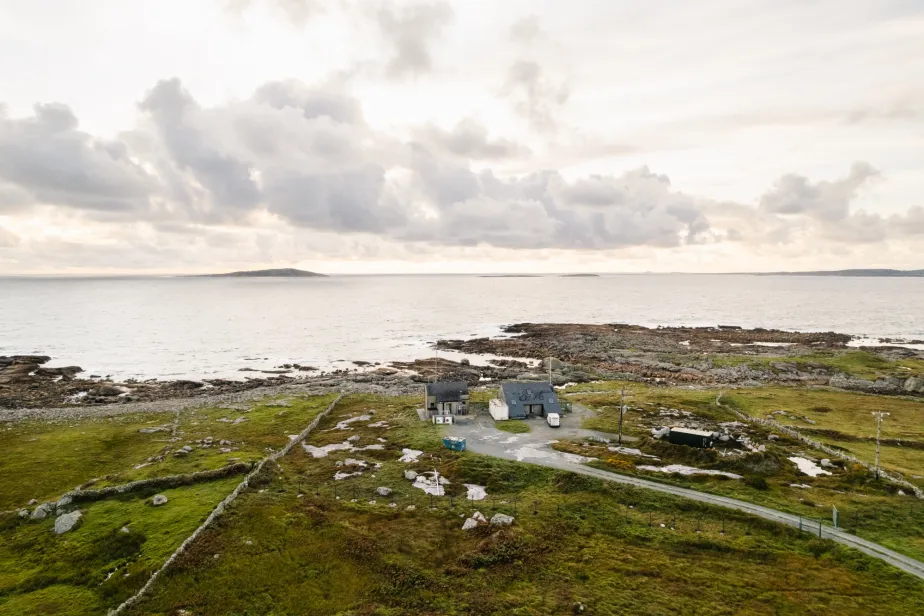
Among the newly labelled stations is the ICOS Atmosphere station Mace Head, located in Connemara, County Galway on the Atlantic Ocean coastline of Ireland. With aerosol measurements beginning in 1958, Mace Head is one of the longest-running mercury recording stations in the world. Its location on the west coast of Ireland gives it a 130-degree unobstructed view of the ocean, allowing scientists to analyse air masses that have not passed over land in the previous number of days. There are not many stations globally that offer this sort of access to clean Atlantic air.
Greenhouse gas measurements compliant with ICOS standards started in 2009, and the observatory became part of ICOS network in 2023 as Ireland joined the network. Mace Head site has a unique history and role in European and global observations. Most recently in the NUBICOS project, the station has been conducting flask sampling with partners from different parts of the world.
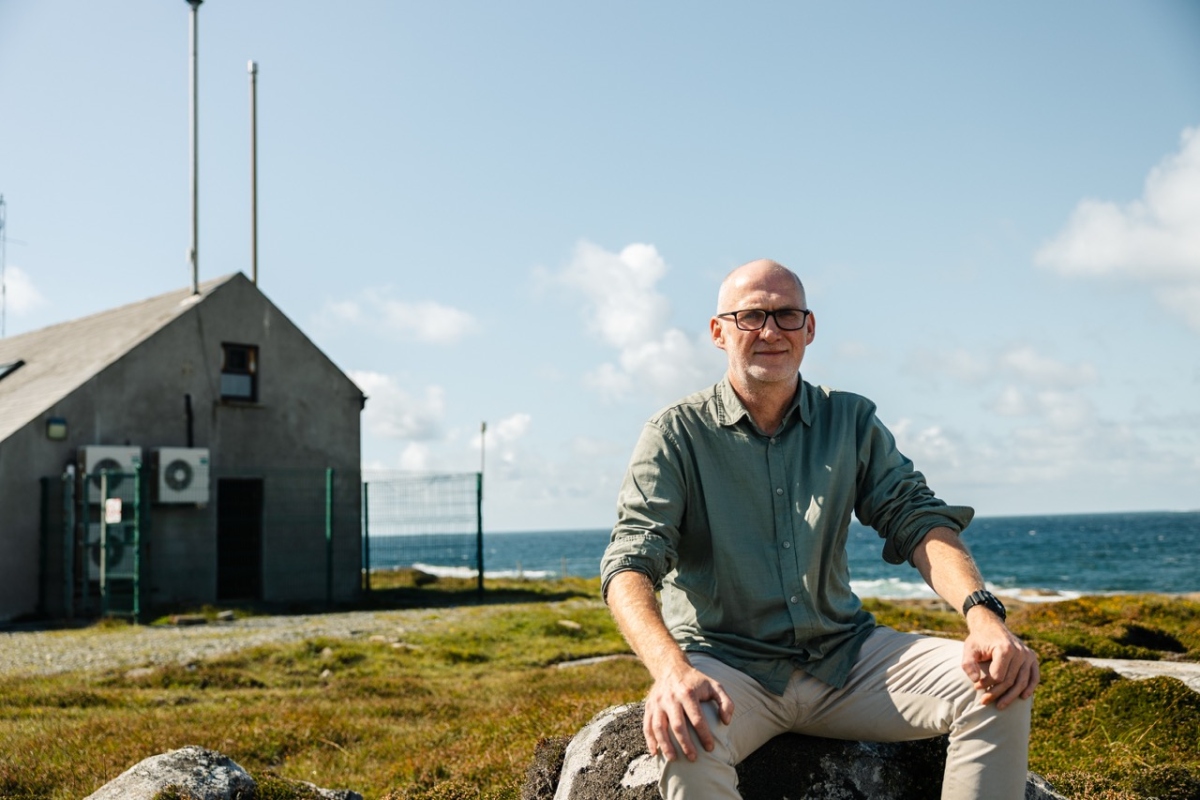
“Having the ICOS label means we can continue to make greenhouse gas measurements at the highest levels of international compliance. This is an important milestone in the history of the site and will help to sustain long term high quality observations”, says Damien Martin, Principal Investigator of Mace Head.
Watch a video from Mace Head below.
The second station from Ireland receiving the ICOS label is the Ecosystem station Doory, located on a site that has been under a permanent grassland management for more than 50 years. It offers valuable data on the how agricultural management impacts carbon removal and sequestration on peat soils.
“Doory is the first rotationally grazed grassland within the ICOS network, and therefore represents a unique site for GHG measurements. The inclusion of Doory into the ICOS network is a significant achievement and will help to foster collaborations and new networks with colleagues in the EU”, says Rachael Murphy, Principal Investigator of the Doory station.
Westmalle station assesses carbon farming practices
The Westmalle station, located on a cropland 20 kilometres from the city of Antwerp in Belgium, represents a unique case within the ICOS network. The site is split into two areas: one managed according to agroecological principles, and a control site, where land is managed in a business-as-usual manner. Carbon farming, as part of the agroecological approach, refers to land use practices that aim to increase the amount of carbon in vegetation and soil.
The project aims to evaluate these management strategies through close collaboration between researchers and land managers in real-life conditions, with the broader aim of inspiring land managers to adopt more sustainable and climate-resilient agricultural practices.
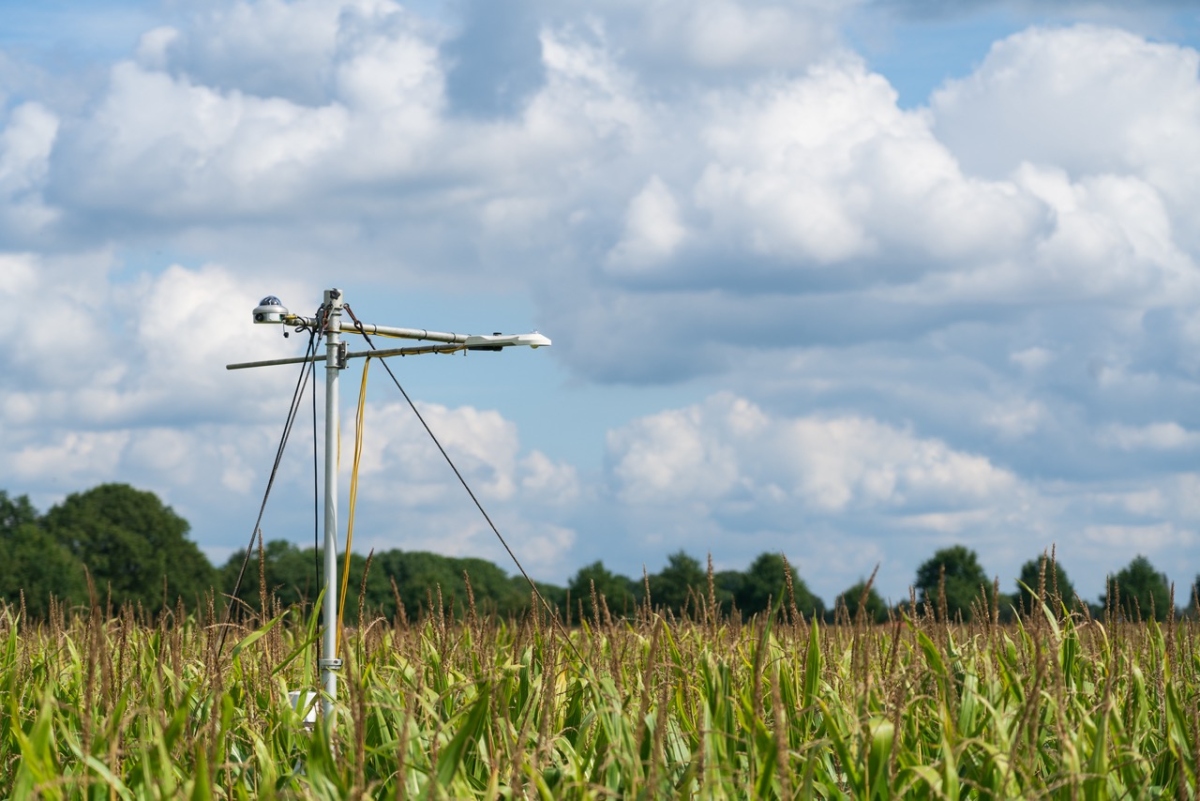
This May, both stations, Westmalle 1 and 2, will receive the status of an ICOS Associated Ecosystem station.
“The biggest challenge is probably convincing farmers that these alternative systems can work in practice. Besides carbon sequestration, we are also monitoring greenhouse gas exchange, soil functioning and, more broadly, biodiversity within the agricultural system. Hopefully, our long-term measurements under real farming conditions will help demonstrate the value of these approaches for the future of agriculture”, says Tim De Meulder, Principal Investigator of the Westmalle stations.
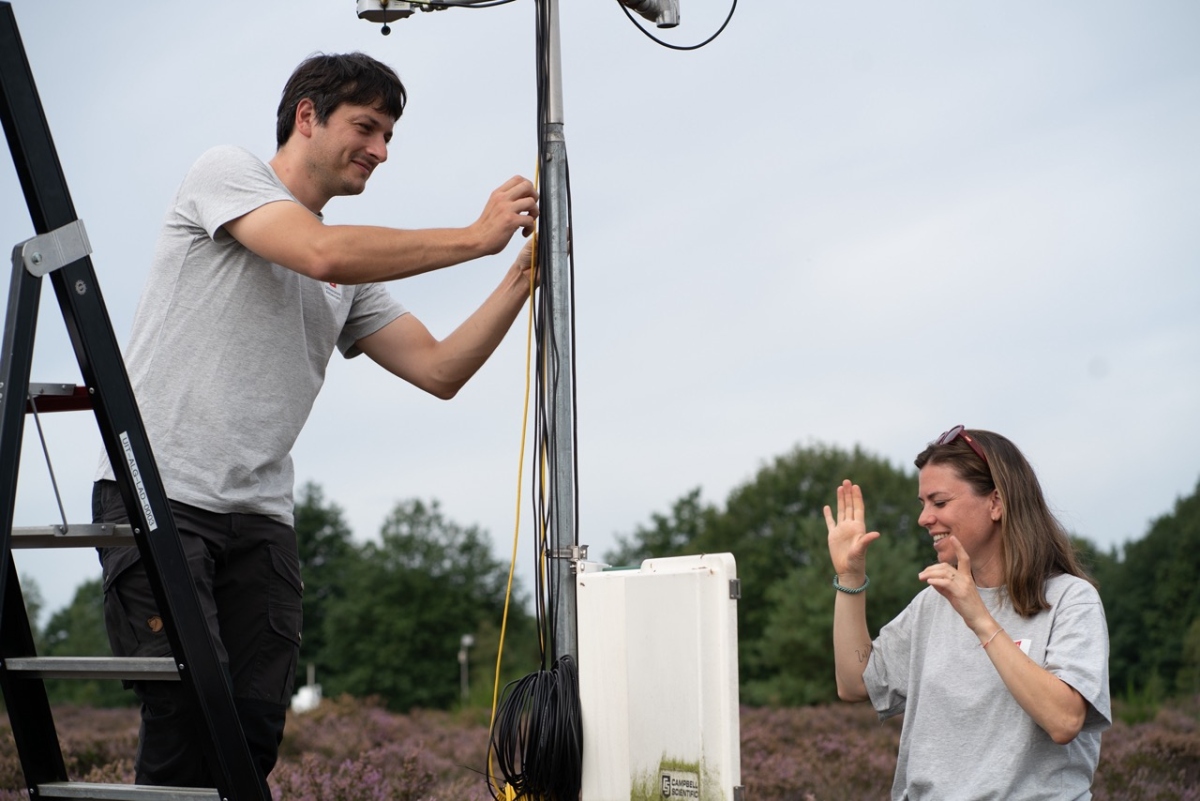
Read more about Westmalle station here.
Stations that received the ICOS label on the 19th May, 2026
Class 2 Atmosphere Station Mace Head (MHD)
•Country: Ireland; Responsible institutions: University of Galway and Environmental Protection Agency; Station PI: Damien Martin
Associated Ecosystem Station Doory (IE-Dyy)
•Country: Ireland; Responsible institution: Teagasc; Station PI: Rachael Murphy
Associated Ecosystem Station Westmalle1 (BE-Wm1)
•Country: Belgium; Responsible institution: University of Antwerp; Station PI: Tim De Meulder
Associated Ecosystem Station Westmalle2 (BE-Wm2)
•Country: Belgium; Responsible institution: University of Antwerp; Station PI: Tim De Meulder