Measurements
The ICOS stations are coordinated and run by the ICOS National Networks in 16 countries. The stations in the National Networks operate in three distinct domains: Atmosphere, Ecosystem and Ocean. Within each domain, a Thematic Centre coordinates the observations and supports the stations. The Central Analytical Laboratories provide gas analyses and calibration gases to stations. ICOS observations are coordinated by the Head Office, and the Carbon Portal is in charge of collecting and distributing ICOS data and derived products.
Station network
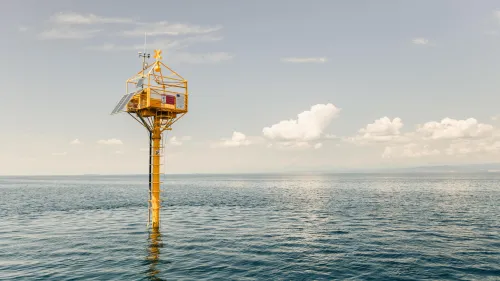
The ICOS network operates in three distinct domains: Atmosphere, Ecosystem and Ocean. The stations in the 16 member countries are run and funded by national institutes, universities and funding agencies. Most of the ICOS stations are fixed stations like (tall) towers or buoys, whereas the Ocean domain has also the Ships of Opportunity and Research Vessels roaming the seas.

Atmosphere measurements
The ICOS Atmosphere network includes stations in 16 European countries. Over 40 Atmosphere stations measure greenhouse gas concentrations (such as carbon dioxide and methane) in the atmosphere, as well as meteorological parameters. ICOS Atmosphere stations contribute to better understandings of carbon sinks and sources across Europe.
Ecosystem measurements
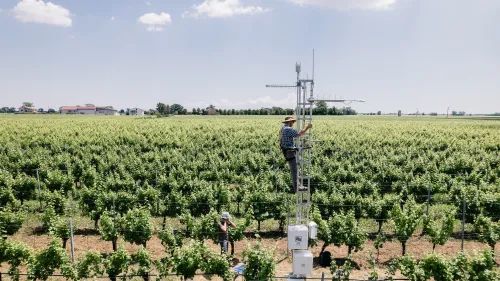
The ICOS Ecosystem network consists of over 100 stations that measure fluxes of greenhouse gas concentrations as well as living and non-living components and drivers responsible for the exchange of greenhouse gases, water and energy between ecosystems and the atmosphere.
Ocean measurements
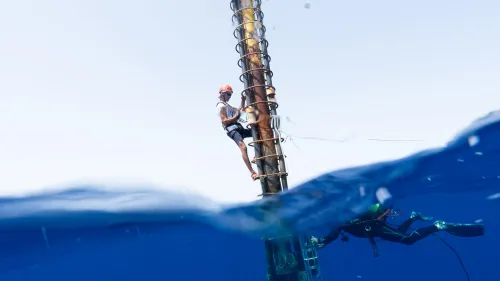
The network of ICOS Ocean stations conducts long-term observations of carbon up-take and fluxes in the Atlantic and the Nordic, Baltic and Mediterranean Seas. Based on instrumented Ships of Opportunity (SOO) and Fixed Ocean Stations (FOS), ICOS Ocean stations help improve our understanding of ocean carbon cycle dynamics.
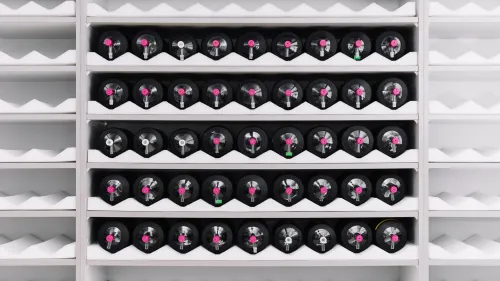
Central Analytical Laboratories
The ICOS Central Analytical Laboratories (CAL) is located in Germany and consists of two laboratories: the Flask and Calibration Laboratory (FCL) in Jena, which is hosted by the Max Planck Institute for Biogeochemistry, and the Central Radiocarbon Laboratory (CRL) in Heidelberg, which is operated by the Institute of Environmental Physics of the University of Heidelberg.
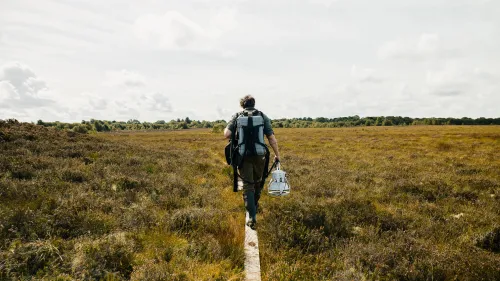
Data collection process
We produce quality-controlled observational data, results from modelling related to greenhouse gases, as well as synthesis reports.

ICOS Countries
The ICOS stations are coordinated and run by the ICOS National Networks in 16 countries: Belgium, the Czech Republic, Denmark, Finland, France, Germany, Greece, Hungary, Ireland, Italy, the Netherlands, Norway, Spain, Sweden, Switzerland and the United Kingdom.