Ecosystem Measurements
The ICOS Ecosystem network consists of over 100 stations that measure fluxes of greenhouse gas concentrations as well as living and non-living components and drivers responsible for the exchange of greenhouse gases, water and energy between ecosystems and the atmosphere.

How are Ecosystem measurements made?
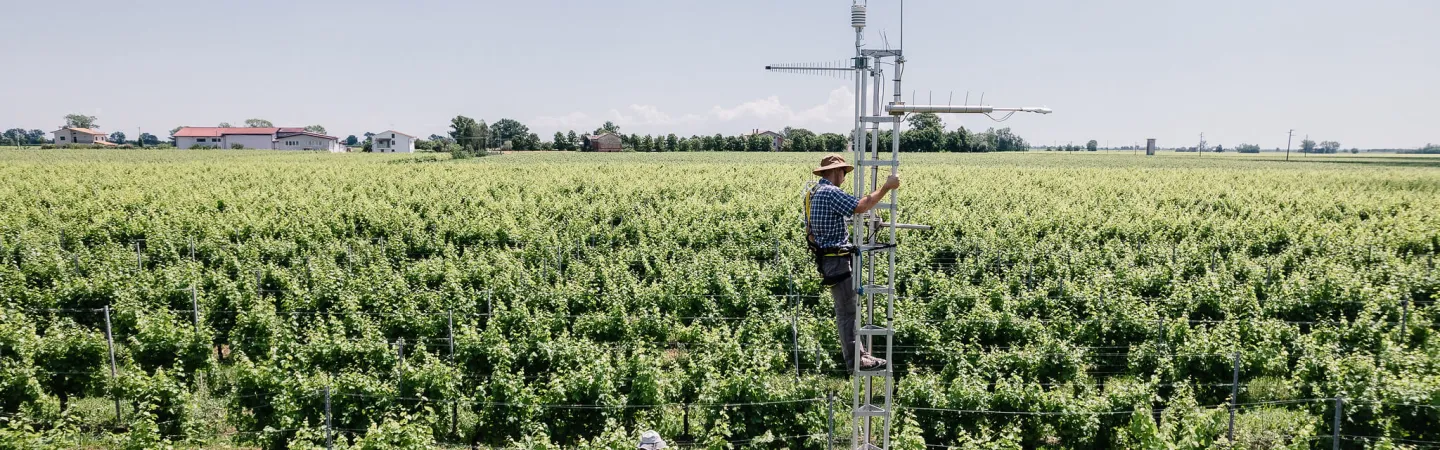
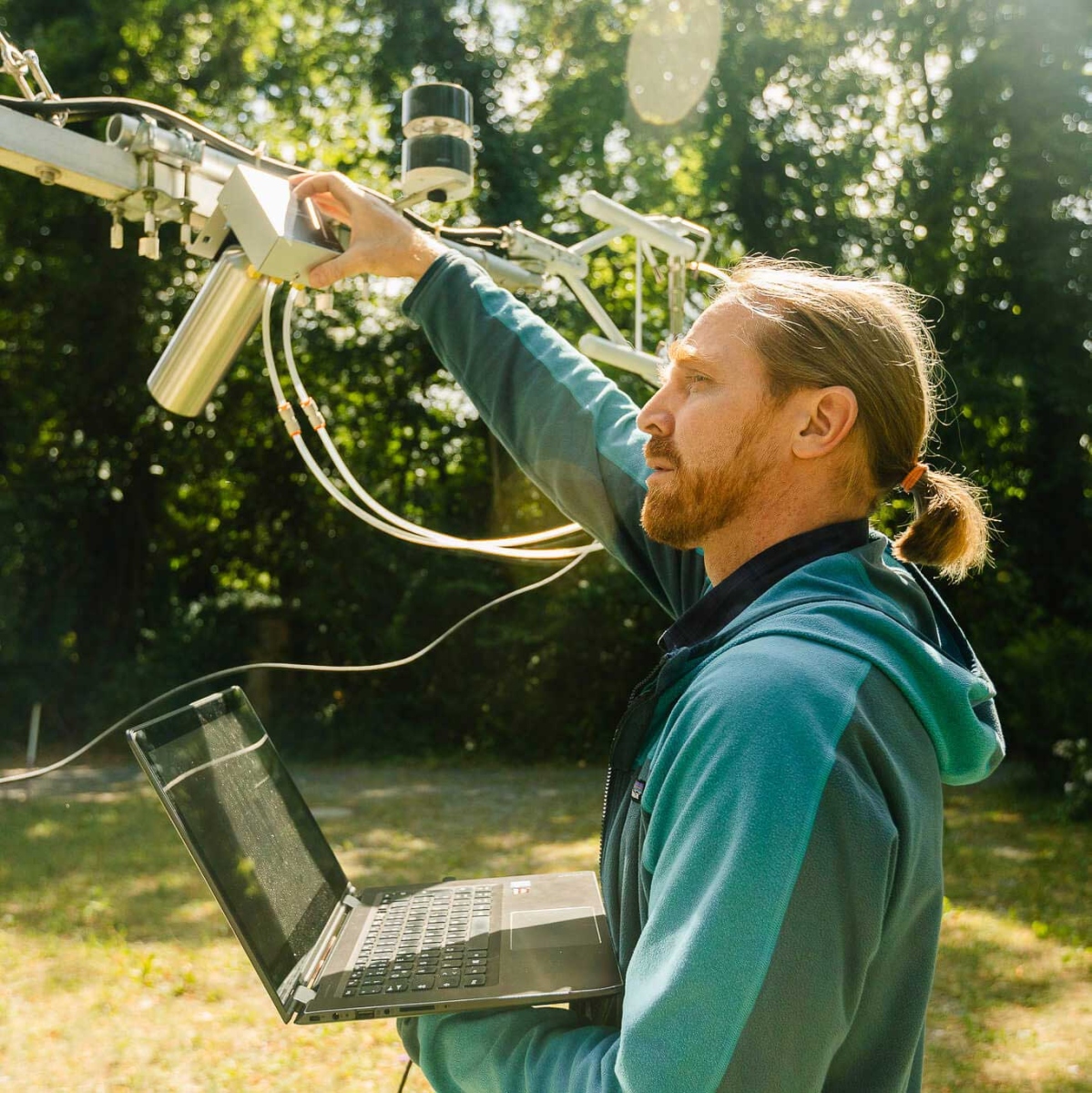
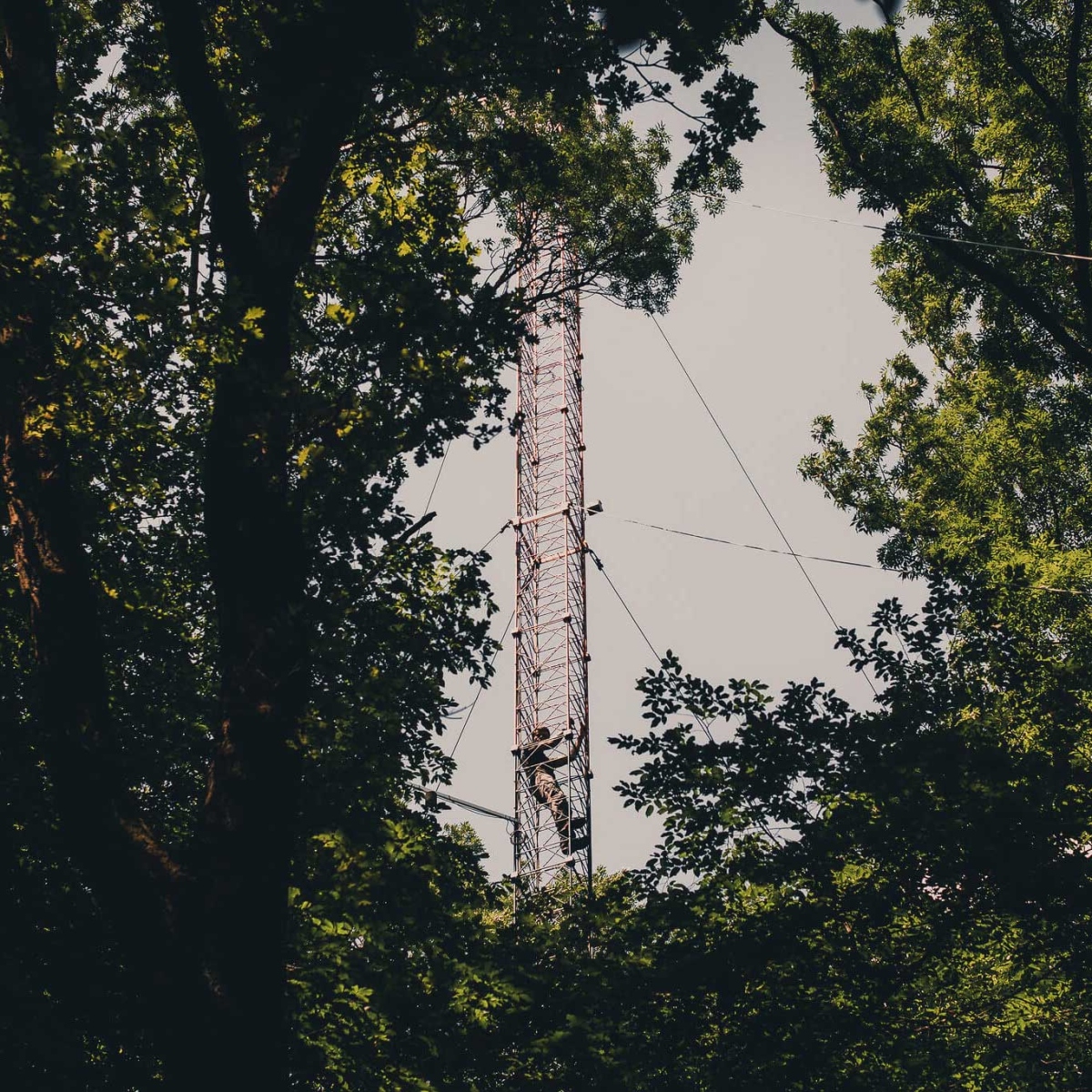
Ecosystem measurements are made using a setup of instruments, usually on a tower, that measure the flux of relevant greenhouse gases, energy and momentum representing the local surface surrounding the measurement sites, typically within 100m–1km footprint. Additional measurements of ancillary parameters on air, plants and soil (or water body) are also made within this footprint area.
Ecosystems typically consist of different types of forests, wetlands, croplands, grasslands, agricultural areas, peatlands, lakes or cities. The location of a station represents the local surface where soil, vegetation and environmental conditions differ. It is important to observe greenhouse gases in a variety of ecosystems to know how they react in a changing climate – for example, is or will this ecosystem become a sink or source of greenhouse gases?
ICOS Ecosystem stations and data collection
Measurements from ICOS Ecosystem stations are highly standardised, utilising similar or the same methodologies and equipment. Standard operation procedures define the overall setup, calibration strategies, and the data transfer of the stations.
Ecosystem stations observations also comply with the monitoring principles of the Global Climate Observation System (GCOS) and Global Terrestrial Observing System (GTOS) and are used extensively by the remote sensing community for calibration and validation (cal/val) of satellite data products.
All Ecosystem stations are operated by scientists, researchers, technicians and other staff members from the national ICOS networks, with each station managed by a Principal Investigator.
Data collected at Ecosystem stations are automatically processed and quality controlled by the Ecosystem Thematic Centre before being finally published on the ICOS Carbon Portal.
Ecosystem Thematic Centre
ICOS Ecosystem observations are coordinated by the Ecosystem Thematic Centre (ETC)- ICOS ETC performs centralised data processing and quality control and provides technical assistance to the stations.
ICOS ETC also collaborates closely with the Ecosystem Monitoring Station Assembly (MSA) to develop and test new data processing methods, measurement techniques and instruments to evaluate their potential use and implementation in the Ecosystem network. As part of the station labelling process, ICOS ETC evaluates the quality of the Ecosystem stations before they are included in the ICOS Ecosystem station network.
The ETC is coordinated and operated by the Euro- Mediterranean Centre on Climate Change (CMCC) in collaboration with the University of Tuscia (UNITUS) in Viterbo, Italy, the University of Antwerp (Research group on Plant and Ecosystems: PLECO) in Antwerp, Belgium and the French National Research Institute for Agriculture, Food and Environment (INRAE), France.
Executive Committee unit
The Executive Committee Unit’s main tasks include communication and interaction with the ICOS community and other Central Facilities. The unit also organises annual assessments of ETC operations and plans its medium- and long-term activities. It is also responsible for the international collaborations.
Data unit
The Data Unit’s main tasks include Level 2 and NRT data production and metadata collection as well as automatic data quality assistance, quality control and processing. The unit shares, distributes and archives data and develops tools for data exploration and validation. This unit also maintains an alert service in case of data problems and inconsistencies.
Test unit
The Test Unit’s main tasks include the evaluation of new sensors and prototypes and the development of new processing and quality control methods. The unit is responsible for interactions with instrument manufacturers and research centres.
Network Unit
The Network Unit’s main tasks include providing assistance to the ICOS Ecosystem stations, evaluation of station performances and the labelling activities. The unit organises training sessions for site managers and technicians and forms work-groups for protocol development. This unit also analyses soil and vegetation samples and takes care of their storage.
Contact ETC

Director, ICOS Ecosystem Thematic Centre