
Atmosphere Measurements
The ICOS Atmosphere network includes stations in 16 European countries. Over 40 Atmosphere stations measure greenhouse gas concentrations (such as carbon dioxide and methane) in the atmosphere, as well as meteorological parameters. ICOS Atmosphere stations contribute to better understandings of carbon sinks and sources across Europe.
How are Atmosphere measurements made?
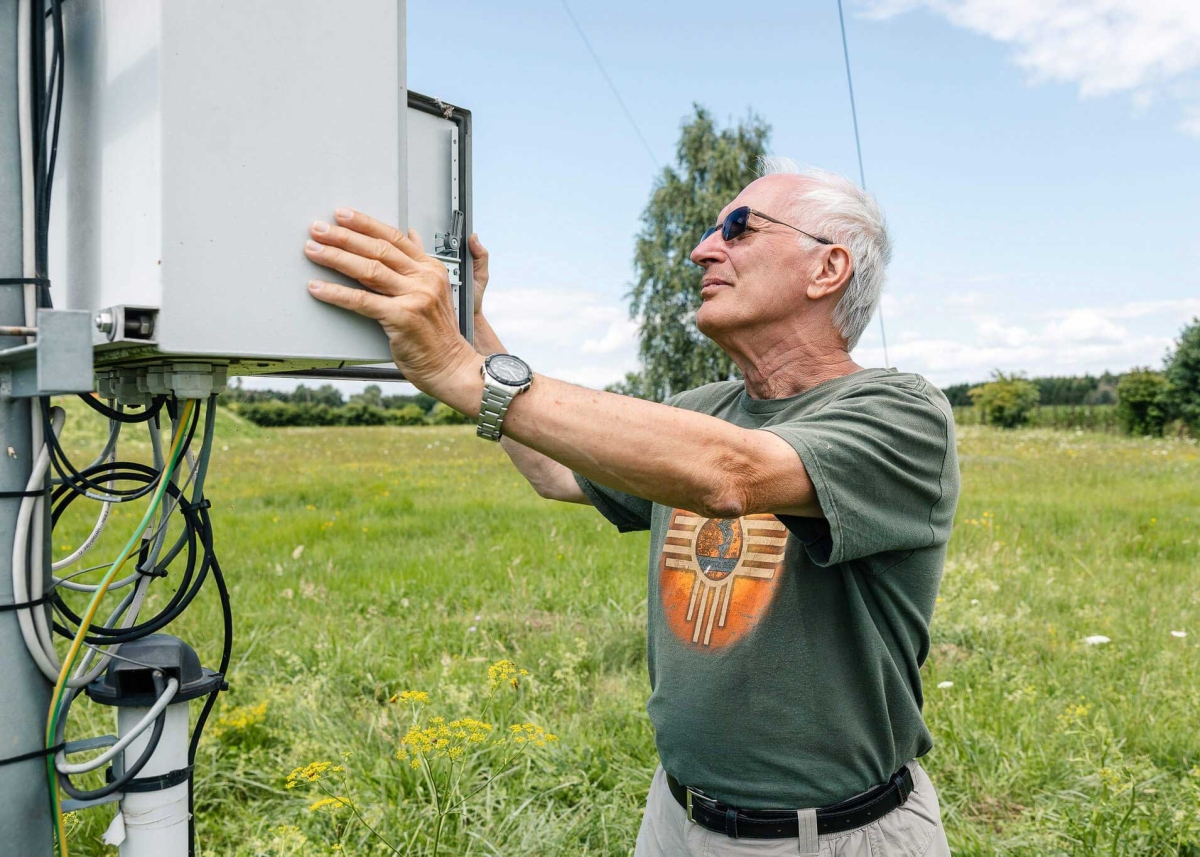
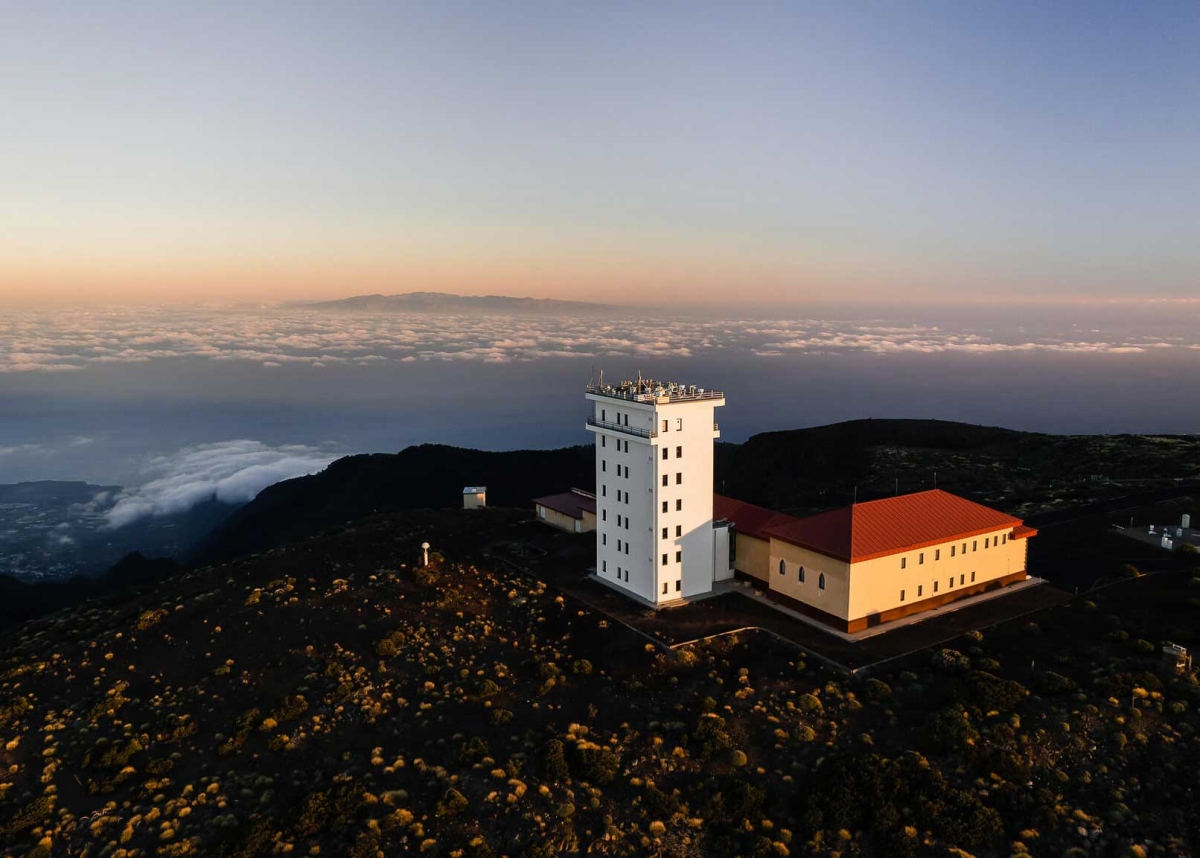
Atmospheric measurements are usually taken on top of tall towers, in mountainous terrain or in remote environments, far away from major air pollutants. Their remote nature means the stations are mainly exposed to air masses representing background conditions over Central Europe. Remote, mountainous station data provide a basis for long-term changes in greenhouse gases which offers a better representation of changes in the greenhouse gases composition, compared to the more polluted sites.
In addition to remote stations, the ICOS Atmosphere network contains stations located within or close to cities. These stations are important in understanding urban emissions. These stations play a role in tackling urban pollution and help to verify international greenhouse gas limits.
ICOS Atmosphere stations and data collection
ICOS Atmosphere stations are highly standardised, using similar equipment setups and methodologies. Standard operation procedures define the overall setup, calibration strategies, and the data transfer of the stations.
All stations are operated by scientists, researchers, technicians and other staff members from the national ICOS networks, with each station managed by a Principal Investigator.
Data collected at Atmosphere stations are automatically processed and quality controlled by the Atmosphere Thematic Centre, checked by the station Principal Investigator, jointly reviewed by the Monitoring Station Assembly, and finally published on the ICOS Carbon Portal.
Atmosphere Thematic Centre
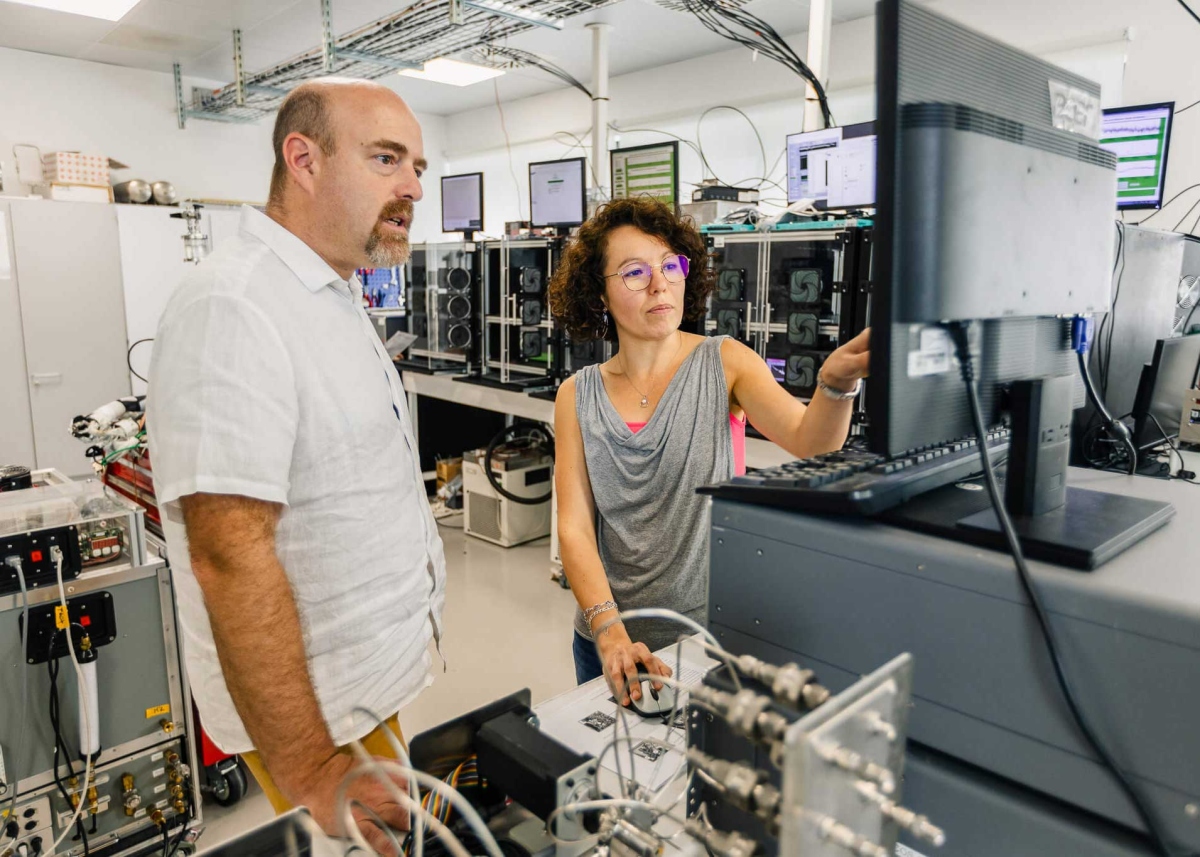
ICOS Atmosphere observations are coordinated by the Atmosphere Thematic Centre (ATC) in close cooperation with the Atmosphere Monitoring Station Assembly and Central Analytical Laboratories (CAL). The ATC is composed of a data centre and a metrology lab and is complemented by an in situ station quality-control mobile lab.
The ATC is coordinated and operated by the French Laboratoire des Sciences du Climat et de l´Environ-nement, supported by the Finnish Meteorological Institute.
Metrology lab
The ATC metrology lab carries out regular measurement technology surveys, tests and analyses of greenhouse gases. It facilitates the development of new sensors through research and development programmes at national and international levels. It is the central labelling and training centre for ICOS atmospheric measurements, and it coordinates the development of atmospheric measurement protocols.
Data centre
The ATC data centre develops and maintains in-house software to centrally process and quality control the data from ICOS Atmosphere stations. It provides near-real-time data products and other data products for Principal Investigators.
Mobile lab
The ATC mobile lab conducts quality control by parallel measurements at Atmosphere stations. Its aim is to improve measurement compatibility and the development of competent quality assurance in the ICOS Atmosphere station network that ensures the credibility of the measurements. The mobile lab is hosted by the Finnish Meteorological Institute in Helsinki, Finland.
The mobile lab operates a van equipped with state-of the-art analysers and standard gases, which are traceable to the World Meteorological Organization (WMO) Central Calibration Laboratory and ICOS CAL. Atmosphere station visits lasts for 1−2 months. During the visit, the standard gases of the station are cross-checked, and parallel monitoring of ambient air is conducted to validate the quality of the greenhouse gas monitoring of the station.
Contact ATC

Director, ICOS Atmosphere Thematic Centre